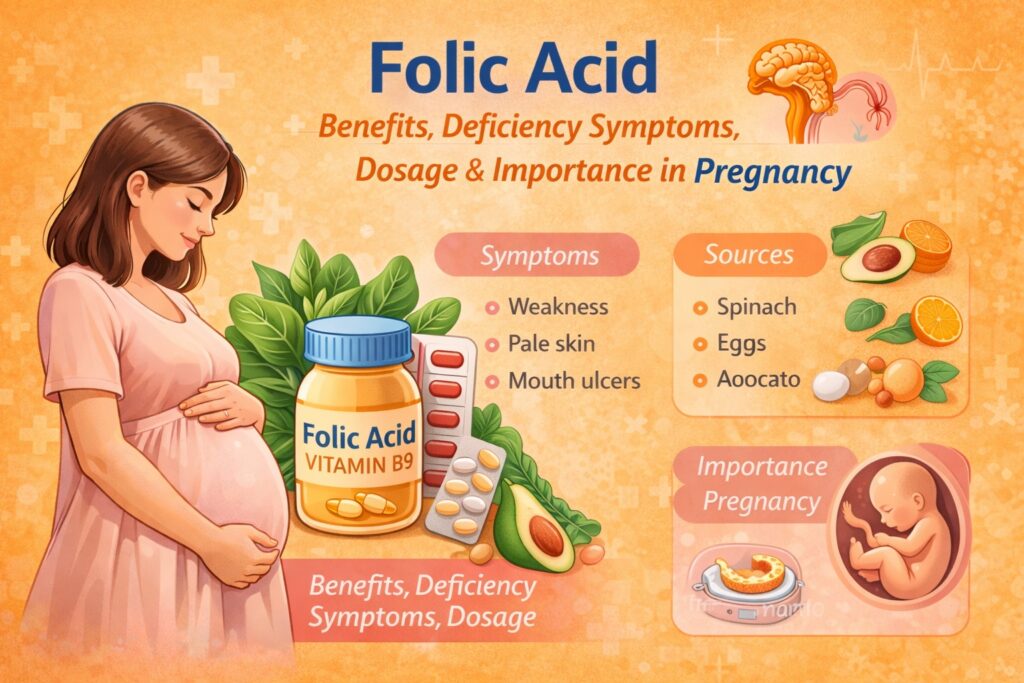
Folic acid is one of the most essential vitamins for overall health, especially for women of reproductive age and pregnant women. It plays a crucial role in cell growth, DNA formation, and the production of healthy red blood cells. Despite its importance, many people are unaware of its benefits and the serious consequences of deficiency.
In this detailed guide, we will discuss what folic acid is, its health benefits, importance during pregnancy, deficiency symptoms, recommended dosage, food sources, and prevention tips.
Also read this post :- Fetal Growth During Pregnancy: Complete Guide for Healthy Baby Development
What is Folic Acid?
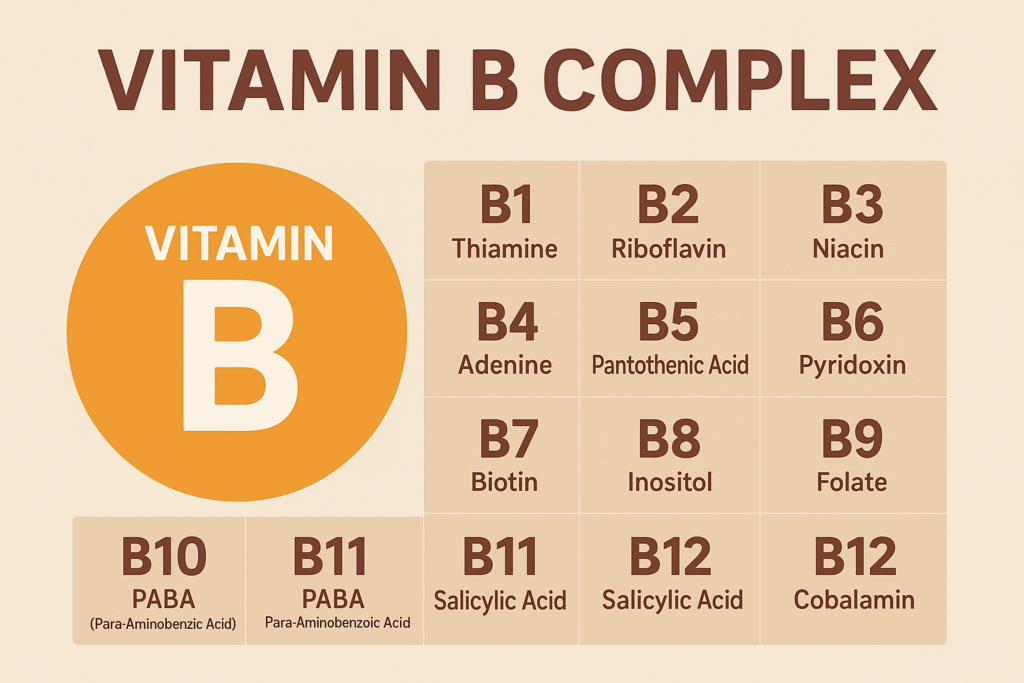
Folic acid is the synthetic form of Vitamin B9, a water-soluble vitamin that is naturally found in many foods. The natural form is called folate, while folic acid is the form used in supplements and fortified foods.
It is essential for:
- DNA synthesis
- Cell division
- Red blood cell formation
- Brain development
- Tissue growth
Since it is a water-soluble vitamin, the body does not store large amounts. Therefore, daily intake is necessary.
Why is Folic Acid Important?
Folic acid supports rapid cell division and growth, making it extremely important during:
- Pregnancy
- Infancy
- Adolescence
It also helps prevent certain types of anemia and supports cardiovascular health.
Also read this post :- Low Hemoglobin in Pregnant Women: Causes, Symptoms, Risks & Treatment Guide
Role of Folic Acid in Pregnancy
Folic acid is most commonly associated with pregnancy because it helps prevent serious birth defects of the baby’s brain and spinal cord.
1. Prevents Neural Tube Defects (NTDs)
Neural tube defects occur in early pregnancy when the spinal cord and brain do not form properly. Adequate folic acid significantly reduces this risk.
2. Supports Fetal Growth
It helps in proper development of:
- Brain
- Spinal cord
- Nervous system
- Placenta
3. Prevents Anemia in Pregnancy
Folic acid is essential for red blood cell production. Deficiency can lead to megaloblastic anemia.
4. Reduces Risk of Preterm Birth
Proper folic acid intake lowers the risk of premature delivery.
Folic Acid Deficiency: Causes
Folic acid deficiency can occur due to:
- Poor diet
- Malabsorption disorders
- Alcohol consumption
- Certain medications
- Increased demand during pregnancy
- Kidney disorders
In developing countries, nutritional deficiency is a major cause.
Symptoms of Folic Acid Deficiency
Symptoms may develop gradually and include:
- Weakness and fatigue
- Pale skin
- Shortness of breath
- Mouth ulcers
- Swollen tongue
- Poor concentration
- Irritability
- Hair fall
In severe cases, it may lead to megaloblastic anemia.
Who is at Higher Risk?
- Pregnant women
- Women planning pregnancy
- Breastfeeding mothers
- People with poor diet
- Alcoholics
- Patients with digestive disorders
Women planning pregnancy should start folic acid supplementation at least one month before conception.
Recommended Daily Dosage
General Adult Women:
- 400 micrograms (mcg) per day
Pregnant Women:
- 400–600 mcg per day
High-Risk Pregnancy:
- Up to 5 mg per day (as prescribed by doctor)
Never exceed recommended dose without medical advice.
Best Food Sources of Folic Acid
Natural folate is found in many foods.
Green Leafy Vegetables:
- Spinach
- Fenugreek leaves
- Mustard greens
Fruits:
- Oranges
- Bananas
- Papaya
- Avocado
Pulses and Legumes:
- Lentils
- Chickpeas
- Kidney beans
Other Sources:
- Eggs
- Liver
- Fortified cereals
- Nuts
Cooking may destroy some folate, so light cooking or steaming is recommended.
Folic Acid and Anemia
Folic acid deficiency can cause megaloblastic anemia, where red blood cells become abnormally large and cannot function properly. This leads to:
- Fatigue
- Weakness
- Low immunity
Doctors often prescribe folic acid along with iron supplements during pregnancy.
Folic Acid and Heart Health
Folic acid helps reduce homocysteine levels in the blood. High homocysteine is linked with heart disease and stroke. Adequate intake may support cardiovascular health.
Folic Acid and Brain Function
Vitamin B9 supports:
- Memory
- Concentration
- Mental clarity
Deficiency may increase risk of depression and cognitive decline.
Can You Take Too Much Folic Acid?
Although folic acid is generally safe, excessive intake may:
- Mask Vitamin B12 deficiency
- Cause digestive discomfort
- Lead to sleep disturbances (rare)
Always follow doctor’s advice.
Folic Acid Before Pregnancy
Women who are planning pregnancy should start folic acid supplementation at least 1 month before conception. Neural tube development occurs in the first 28 days of pregnancy, often before a woman knows she is pregnant.
Starting early ensures proper fetal development.
Folic Acid During Breastfeeding
Breastfeeding mothers require slightly higher folic acid intake to support both maternal health and baby growth.
Prevention Tips
- Eat balanced diet rich in green vegetables
- Take prenatal vitamins as prescribed
- Avoid alcohol
- Maintain regular health checkups
- Treat digestive disorders
Also read this post :- What is calcium and why does the body need it? The best food sources of calcium.
Frequently Asked Questions (FAQs)
Ideally, at least one month before pregnancy and continue throughout pregnancy.
Yes, it supports overall health and red blood cell production.
It supports reproductive health but is not a direct fertility treatment.
Yes, it is essential and highly recommended.
Diet helps, but supplements are often necessary during pregnancy.
Conclusion
Folic acid is a vital nutrient that plays an essential role in cell growth, red blood cell formation, and fetal development. It is especially important for women who are pregnant or planning pregnancy, as it helps prevent serious birth defects and supports healthy baby growth.
Maintaining adequate folic acid levels through a balanced diet and proper supplementation can significantly improve maternal and fetal health outcomes. Regular medical checkups and timely supplementation are key to preventing deficiency.
For more pregnancy care guides and health awareness articles, visit www.doctopathy.com