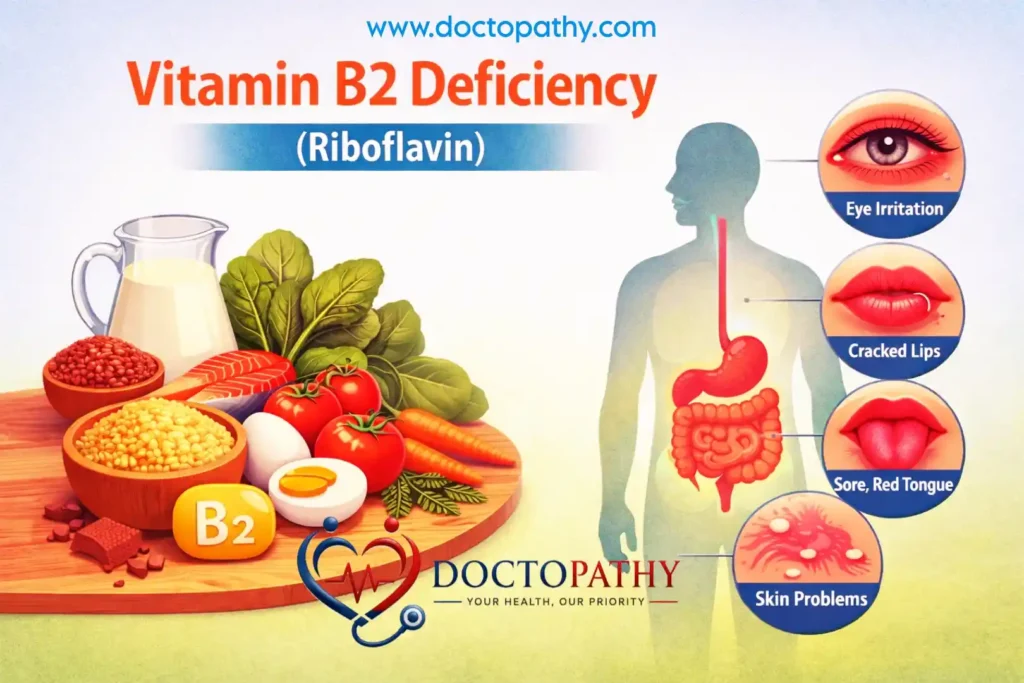
Vitamin B complex is a group of water-soluble vitamins that play a vital role in maintaining energy nerve health and overall bodily function. These vitamins help convert food into energy promote brain activity and support healthy skin and digestion.
Because vitamin B is water-soluble, it is not stored in the body for long periods of time and needs to be consumed regularly through diet or supplements.
Deficiency of any part of the vitamin B complex can cause fatigue, loss of appetite, neurological problems and various diseases.
Key Features of Vitamin B Complex
- It provides energy and strength to the body.
- Essential for nerve health and proper digestion .
- Increases appetite and improves nutrient absorption.
- It is soluble in water and is easily destroyed by alkaline substances.
- It can tolerate temperatures up to 120 degrees Celsius but heat higher than this destroys it.
- It is stable when boiled with acids, but not when boiled with bases.
Parts of Vitamin B Complex and their names
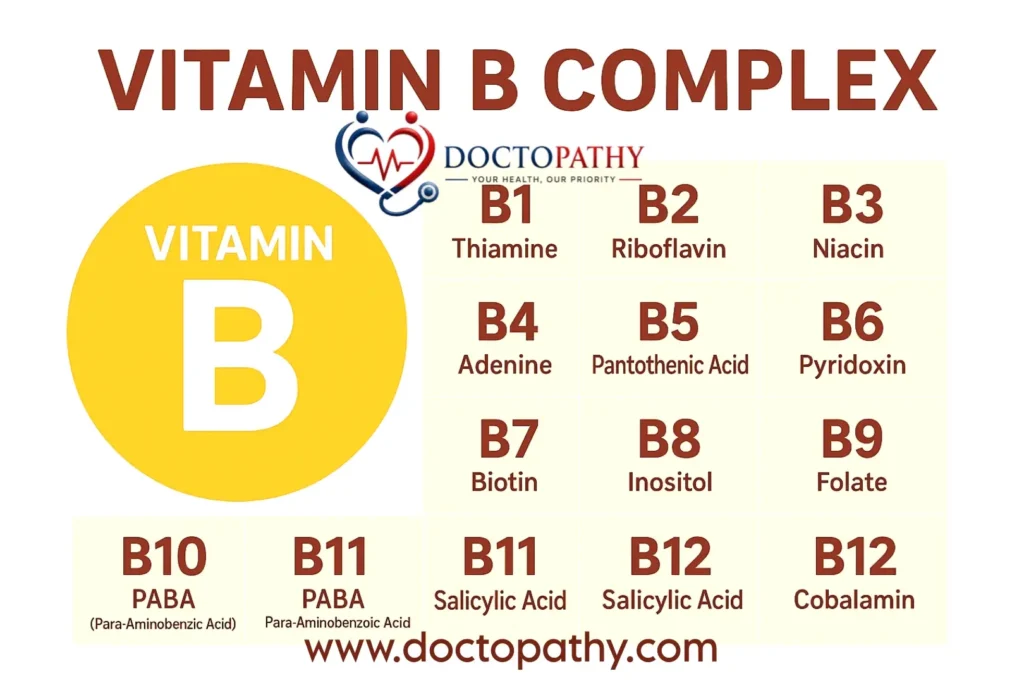
Scientists have identified 12 main vitamins within the Vitamin B Complex group. Each of these has its own specific function and benefits for the body:
| Vitamin Number | Name | Function |
| B1 | Thiamine | It helps in energy production and nerve function. |
| B2 | Riboflavin | It promotes skin health and converts food into energy. |
| B3 | Niacin | It helps in digestion, skin health and reduces cholesterol. |
| B4 | Adenine | It plays a role in cell growth and tissue repair. |
| B5 | Pantothenic Acid | Essential for hormone production and metabolism. |
| B6 | Pyridoxine | It helps in the formation of red blood cells and brain functions. |
| B7 | Biotin | Important for the health of hair, skin and nails. |
| B8 | Inositol | It is helpful in mental health and fat metabolism. |
| B9 | Folate (Folic Acid) | It is extremely important for cell growth and fetal development during pregnancy. |
| B10 | PABA (Para-Aminobenzoic Acid) | Promotes skin and intestinal health. |
| B11 | L-Carnitine other name (Salicylic Acid) | It plays a role in metabolism and detoxification. |
| B12 | Cobalamin | Extremely important for the health of nerve tissues, brain function and the production of red blood cells. |
Functions and Importance of Vitamin B Complex
Each vitamin in the B-complex has its own function, but together they:
- Maintain a healthy metabolism.
- Increase energy levels.
- Improve the functioning of the brain and nervous system.
- Promote healthy skin, hair and nails.
- Strengthen your immunity.
- Helping in the formation of red blood cells.
Sources of Vitamin B Complex
You can get vitamin B complex naturally through a balanced diet. Some rich sources include:
- Whole grains (brown rice, oats)
- Eggs and dairy products
- Leafy green vegetables (spinach, broccoli)
- Fish and meat (salmon, chicken, liver)
- Nuts and seeds
- Pulses (beans, lentils, peas)
Symptoms of Vitamin B Complex Deficiency
Deficiency of Vitamin B Complex can cause the following problems:
- Weakness and fatigue
- Loss of appetite
- Nerve pain or numbness
- Anemia
- Skin rashes or cracked lips
- Hair loss and weakening of nails
- Depression or irritability
How to Maintain Healthy Levels of Vitamin B Complex
- Eat a balanced diet including whole grains.
- Avoid overcooking food, as heat can destroy B vitamins.
- Limit alcohol consumption, as it reduces absorption.
- Consider taking vitamin B complex supplements only after consulting a doctor.
Conclusion
The vitamin B complex isn’t a single vitamin, but rather a group of essential nutrients that work together to keep the body active strong and healthy. Each part of this complex has its own function and a deficiency in even one can disrupt the overall balance. Including foods rich in vitamin B in your daily diet is the best way to ensure vitality and well-being.
Frequently Asked Questions (FAQs)
What is vitamin B complex used for?
Vitamin B complex helps convert food into energy, maintain nerve health and promote healthy skin and hair.
Is daily use of vitamin B complex good?
Yes, because it is water soluble and does not accumulate in the body, it must be consumed daily through food or supplements.
Can Vitamin B Complex Increase Energy?
Yes, it helps convert carbohydrates into glucose, thereby increasing your energy levels.
What happens if there is a deficiency of Vitamin B complex?
Its deficiency can cause fatigue, poor digestion, nerve pain and skin problems.
What are the foods rich in Vitamin B complex?
Eggs, fish, milk, green vegetables, whole grains and nuts are rich in Vitamin B.