Brivaracetam Tablets – Uses, Dosage, Side Effects and Precautions
Brivaracetam tablets are a prescription medicine used primarily to treat partial seizures in patients with epilepsy. It belongs to a class of drugs called anticonvulsants or antiepileptic drugs (AEDs).…
Benefits of Ashwagandha: Ancient Ayurvedic Herb for Modern Health
In today’s fast-paced modern world, stress, fatigue, and difficulty concentrating have become a part of everyday life. People are turning to natural remedies to regain balance and vitality, and ashwagandha has emerged as one of the…
Tetanus Infection After Injury: Symptoms and Medical Care
Tetanus is a serious bacterial infection that affects the nervous system. It is caused by bacteria called Clostridium tetani. These bacteria usually enter the body through cuts, wounds, burns, or injuries caused by dirty or rusty objects. Tetanus causes…
Aleukaemic Leukemia (Blood Cell Cancer): Symptoms, Causes, Types & Treatment
Leukemia is a type of blood cancer that mainly affects the white blood cells (WBCs). White blood cells are an important part of the immune system because they help the body fight infections caused by bacteria, viruses, and fungi. In leukemia, these cells…
Acute Watery Diarrhea (AWD) in Children: Causes, Symptoms, Treatment & Prevention
Acute Watery Diarrhea (AWD), also known as pediatric diarrhea, is one of the most common health problems in children. According to the Centers for Disease Control and Prevention (CDC), diarrhea is the second leading cause of death in children under 5…
Kali Sulphuricum Benefits, Uses & Dosage in Homeopathy
Kali Sulphuricum (Kali-Sulph), also known as Potassium Sulphate, is an important homeopathic tissue salt used mainly in the later stages of inflammation where yellow discharge is present. It is widely recognized for its action on the skin, respiratory…
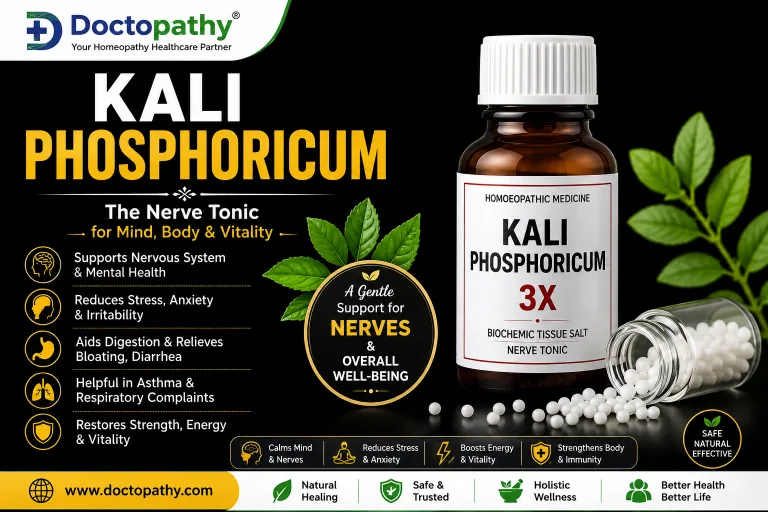
Kali Phosphoricum: Uses, Benefits, Symptoms & Dosage (Complete Guide)
Kali Phosphoricum (Kali-Phos) is one of the most important remedies in homeopathy and biochemic medicine, widely known for its powerful action on the nervous system. It is often referred to as a nerve tonic and is especially beneficial for individuals…
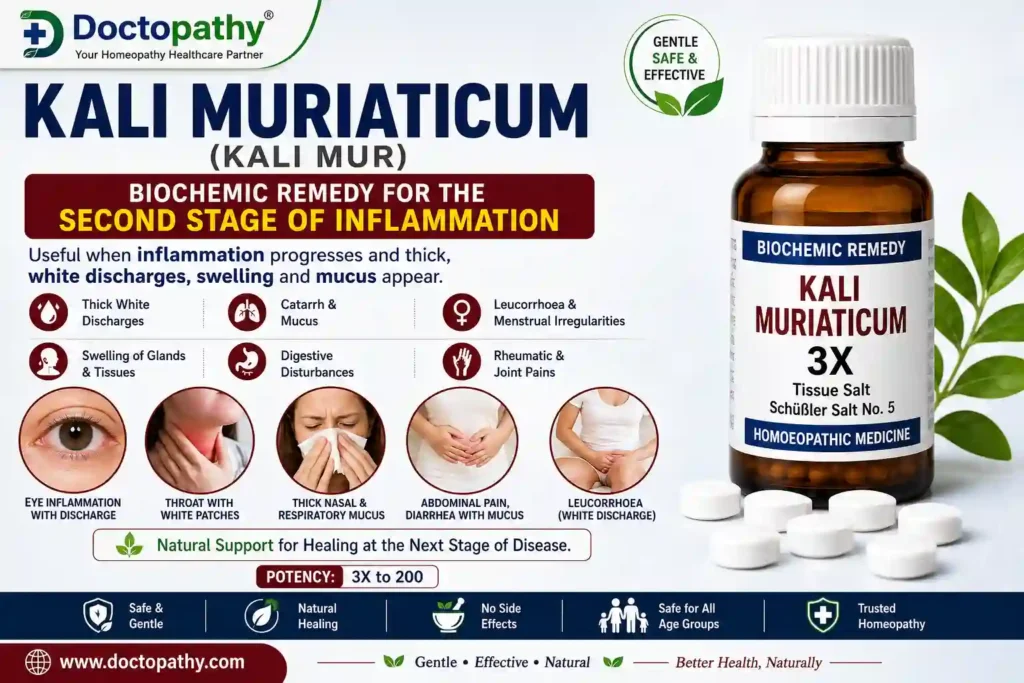
Kali Muriaticum (Kali Mur): Uses, Benefits, Symptoms & Dosage in Biochemic Medicine
Kali Muriaticum (Kali Mur), also known as Potassium Chloride, is an essential remedy in Dr. Schüssler’s biochemic system. It plays a key role in the second stage of inflammation, where exudation, swelling, and thick discharges become prominent. While…
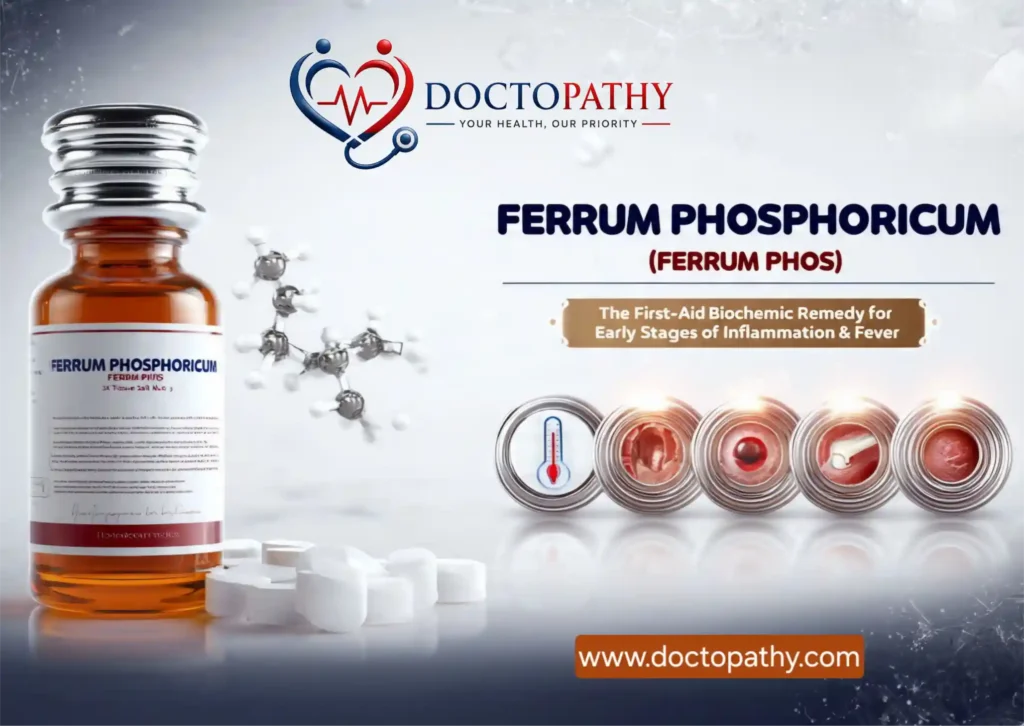
Ferrum Phosphoricum: Uses, Benefits, Symptoms & Dosage in Biochemic Medicine
Ferrum Phosphoricum (Ferrum Phos) is one of the most important remedies in the biochemic system of medicine developed by Dr. Schüssler. It is widely recognized as a first-aid remedy for the early stages of inflammation and fever, and is equally helpful…
Obesity: Causes, Symptoms, Risks & Homeopathic Treatment
Obesity has become one of the most common health concerns in today’s fast-paced world. Sedentary lifestyles, stress, and unhealthy eating habits are major contributors to excessive weight gain. More than just a cosmetic issue, obesity is a serious…
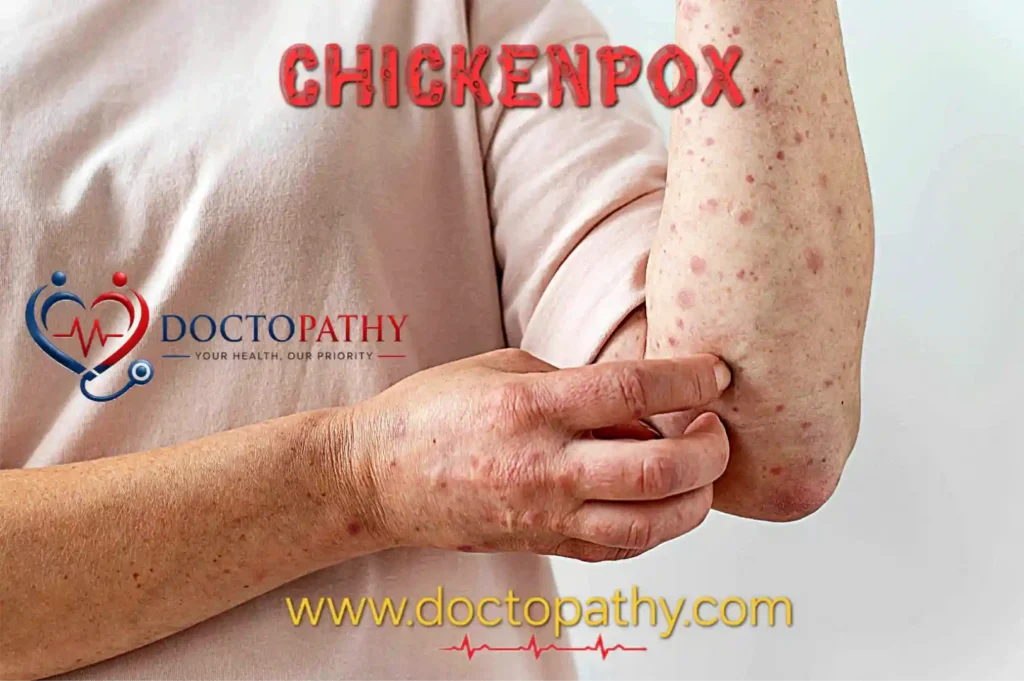
Chickenpox (Varicella): Symptoms, Causes, Prevention & Homeopathic Treatment
Chickenpox, medically known as Varicella, is a highly contagious viral infection caused by the Varicella Zoster Virus. It is characterized by an itchy, blister-like rash along with fever, fatigue, and body discomfort. Although commonly seen in children,…
Sprains: Causes, Symptoms, Homeopathic Treatment & Natural Remedies
A sprain occurs when the ligaments that connect bones at a joint are stretched, twisted, or torn due to sudden impact or excessive movement. Ligaments are strong fibrous tissues that stabilize joints, and when they are injured, the joint becomes painful…
Teething (Dentition) in Children: Symptoms & Homeopathic Treatment
Teething, also known as dentition, is a natural developmental stage in infants when their first set of teeth (milk teeth) begins to emerge through the gums. Most babies start teething between six and ten months of age, and by the age of three years,…
Biochemic Medicines in Homeopathy: Principles, Uses and 12 Tissue Salts
Biochemic medicines are an important part of homeopathy. This system is also called Biochemic Therapy or Tissue Salt Therapy. German doctor Wilhelm Heinrich Schüßler introduced this method in 1863. He developed this system by following the homeopathic…
How the Brain and Nervous System Work: Understanding Human Behavior
The human brain is one of the most complex organs in the body. Even with modern scientific advances, researchers are still discovering how it works and how it shapes our thoughts, emotions, and behaviors. The brain works together with the nervous system…
Why Are Your Lymph Nodes Swollen? Causes & Treatment You Must Know
Cervical lymphadenopathy refers to swelling of lymph nodes in the neck, while lymphedema is a condition where lymph fluid accumulates, causing swelling—usually in the arms or legs. Both conditions are related to the lymphatic system and may indicate…
Mental Exhaustion & Anxiety: Homeopathic Cure for Neurasthenia
Neurasthenia is a condition characterized by nervous system weakness, leading to fatigue, mental exhaustion, and emotional instability. It is often closely linked with depression, discouragement, and despondency, affecting both physical and mental…
Baldness (Hair Loss): Causes, Symptoms & Effective Treatments
Baldness, also called Alopecia, means excessive hair loss from the scalp or body. Losing around 50–100 hairs daily is normal. However, when hair fall becomes heavy or new hair does not grow back, it may lead to thinning hair or bald patches. The most…
Migraine: Causes, Symptoms, Types & Treatment (Complete Guide)
Migraine is a complex neurological disorder that causes intense, throbbing headaches—often on one side of the head. It is more than just a headache, as it is commonly associated with nausea, vomiting, and extreme sensitivity to light and sound. Migraine…
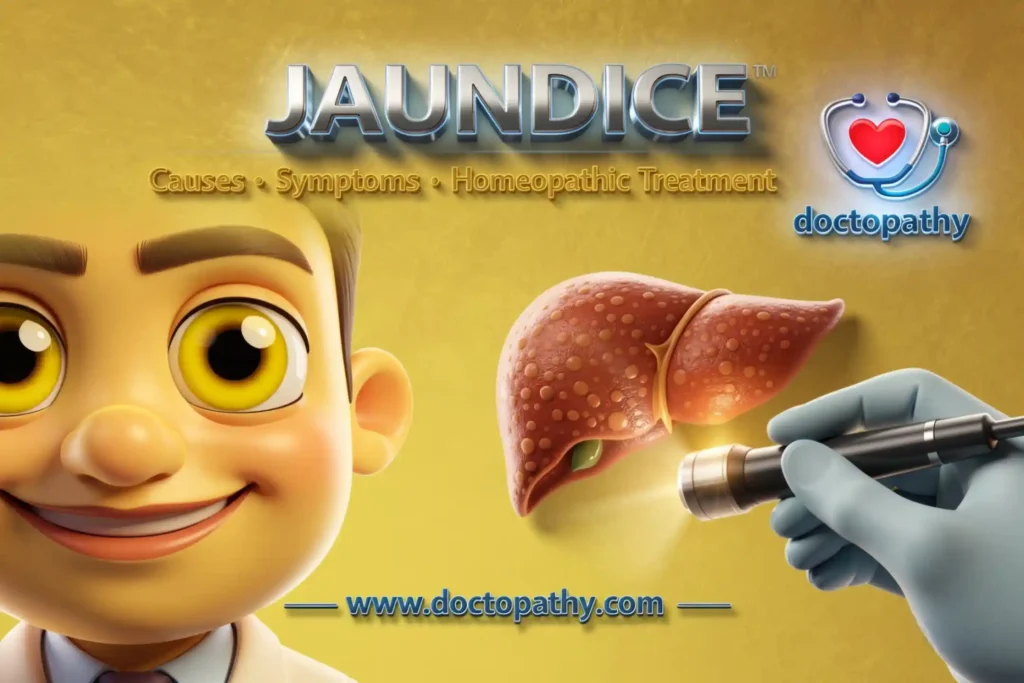
Jaundice: Causes, Symptoms & Homeopathic Treatment
What is Jaundice? Jaundice is a medical condition characterized by yellowing of the skin, eyes, and mucous membranes due to an increased level of bilirubin in the blood. Bilirubin is a yellow pigment formed during the breakdown of red blood cells. When…