Cholesterol is an important substance in the human body that plays a vital role in maintaining overall health. Although it is often associated with heart disease, cholesterol itself is not harmful when it remains within normal limits. Problems arise when cholesterol levels become too high in the bloodstream. Understanding cholesterol, its types, causes, and ways to control it can help prevent serious health problems such as heart disease and stroke.
Also read this post :- Stroke: Types, Causes, Symptoms, and Prevention Guide
What is Cholesterol?
The word cholesterol is derived from the Greek words “chol” meaning bile and “stereos” meaning solid. Cholesterol is a waxy, yellowish-white fatty substance mainly produced by the liver. It is also obtained from certain foods of animal origin.
Cholesterol is essential for the body because it performs several important functions, including:
- Building and maintaining cell membranes
- Producing hormones such as estrogen and testosterone
- Helping in the formation of vitamin D
- Supporting the production of bile acids needed for digestion
- Maintaining the structure of brain cells and nerve tissues
In a healthy human body, cholesterol is present in the brain, muscles, nerves, and fatty tissues. The body naturally produces the cholesterol it needs, but additional cholesterol can enter the body through diet.
Normal Cholesterol Levels
Maintaining a healthy cholesterol level is essential for preventing cardiovascular diseases. According to health guidelines:
- Total cholesterol below 200 mg/dL – Considered healthy
- 200–240 mg/dL – Borderline high and requires monitoring
- Above 240 mg/dL – High cholesterol and needs medical attention
For optimal health:
- LDL cholesterol should be less than 130 mg/dL
- HDL cholesterol should be higher because it protects the heart
- The ratio of total cholesterol to HDL should be less than 4.5
Lower ratios generally indicate better heart health.
Also read this post :- Nodular Goitre: Causes, Symptoms, Types, Diagnosis and Treatment
Types of Cholesterol
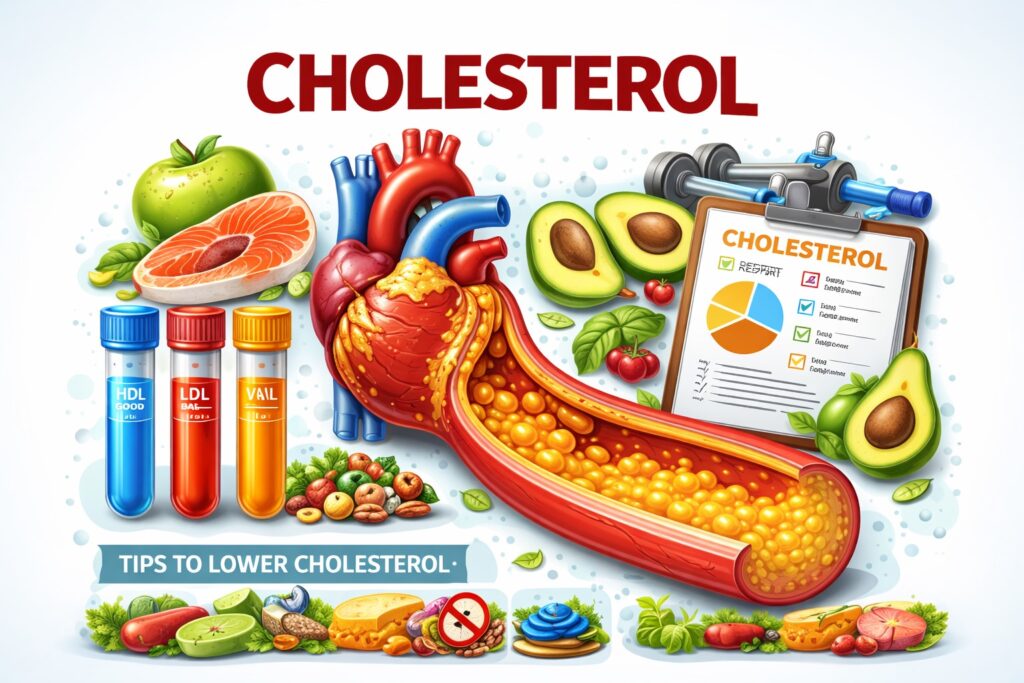
Cholesterol circulates through the bloodstream attached to proteins called lipoproteins. These lipoproteins transport cholesterol throughout the body. There are three main types:
1. Low-Density Lipoprotein (LDL)
Low-density lipoprotein is often called “bad cholesterol.” It carries cholesterol to the arteries. When LDL levels are high, cholesterol deposits build up in the artery walls. Over time, this buildup forms plaques that narrow and harden the arteries, increasing the risk of heart attack and stroke.
2. High-Density Lipoprotein (HDL)
High-density lipoprotein is known as “good cholesterol.” It helps remove excess cholesterol from the bloodstream and transports it back to the liver for removal from the body. Higher levels of HDL reduce the risk of heart disease.
3. Very Low-Density Lipoprotein (VLDL)
Very low-density lipoprotein mainly carries triglycerides in the blood. Although it does not directly affect arteries like LDL, high levels may still contribute to cardiovascular problems.
Causes of High Cholesterol
Several lifestyle and genetic factors can increase cholesterol levels in the body. The most common causes include:
1. Genetics
Some individuals inherit a genetic tendency to produce higher cholesterol levels, known as familial hypercholesterolemia.
2. Age
Cholesterol levels tend to rise with age due to slower metabolism and lifestyle changes.
3. Smoking
Smoking damages blood vessels and lowers HDL cholesterol, increasing the risk of plaque formation.
4. High Blood Pressure
Hypertension damages artery walls, making it easier for cholesterol deposits to accumulate.
5. Obesity
Excess body weight increases LDL cholesterol and triglycerides while lowering HDL cholesterol.
6. Diabetes
High blood sugar levels can alter lipid metabolism and contribute to high cholesterol.
7. Lack of Exercise
Physical inactivity reduces HDL levels and promotes fat accumulation.
8. Poor Diet
Eating foods rich in saturated fats and trans fats significantly raises cholesterol levels.
9. Hormonal Changes
Women are generally protected by the hormone estrogen. However, after menopause, estrogen levels decline, increasing the risk of high cholesterol and heart disease.
Also read this post :- Biochemical Therapy: 12 Tissue Salts and Their Health Benefits
Symptoms of High Cholesterol
High cholesterol usually does not produce noticeable symptoms in the early stages. It is often called a “silent condition.” However, long-term uncontrolled cholesterol may lead to:
- Chest pain (angina)
- Shortness of breath
- Fatigue
- Heart attack or stroke in severe cases
Regular blood tests are the best way to detect high cholesterol early.
Role of Exercise in Controlling Cholesterol
Physical activity plays a major role in maintaining healthy cholesterol levels. Aerobic exercises are particularly effective in increasing HDL cholesterol.
Examples of beneficial aerobic exercises include:
- Walking
- Jogging
- Cycling
- Swimming
- Aerobic workouts
Walking is considered one of the safest and most effective forms of aerobic exercise. Regular physical activity improves circulation, burns excess fat, and helps maintain a healthy weight.
Cholesterol Content in Foods
Cholesterol is mainly found in animal-based foods. The approximate cholesterol content in 100 grams of various foods is listed below:
| Food Item | Cholesterol (mg) |
|---|---|
| Lean beef | 70 mg |
| Fish | 70 mg |
| Butter | 250–280 mg |
| Ice cream | 45 mg |
| Raw kidney | 375 mg |
| Raw liver | 300–425 mg |
| Cheese | 100 mg |
| Pork | 70 mg |
| Lamb | 65–70 mg |
| Chicken (raw) | 60 mg |
| Crab | 125 mg |
| Shrimp | 125 mg |
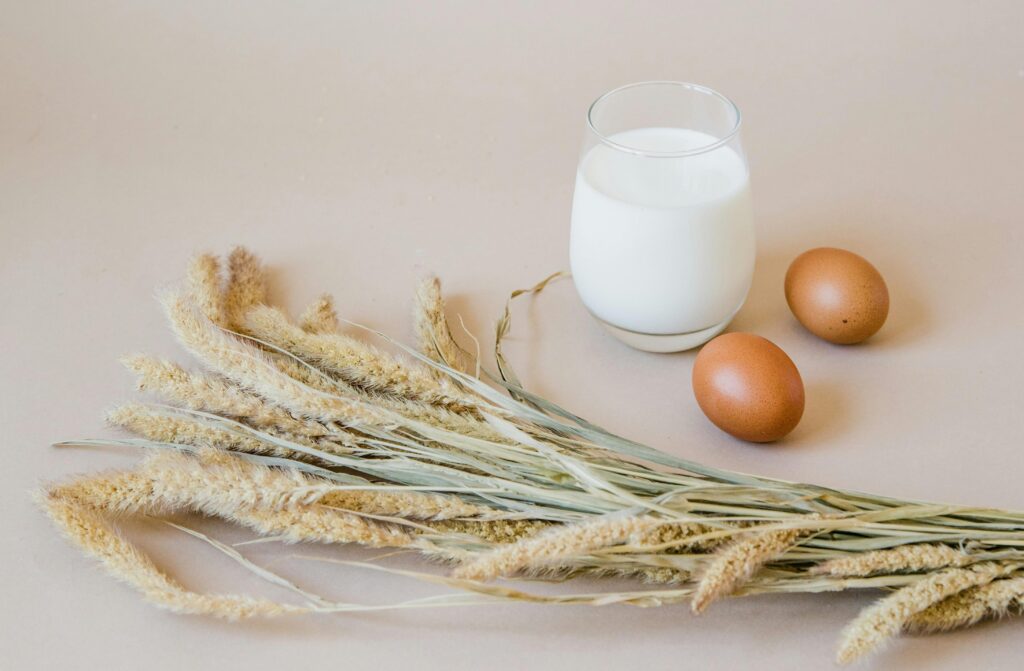
| Egg (whole) | 550 mg |
| Egg yolk | 1500–2000 mg |
| Whole milk | 11 mg |
| Cream | 120–140 mg |
| Margarine | 65 mg |
Plant-based foods generally contain no cholesterol.
| Food Category | Cholesterol |
|---|---|
| Fruits | 0 mg |
| Vegetables | 0 mg |
| Cereals | 0 mg |
This is why diets rich in fruits, vegetables, and whole grains are recommended for heart health.
Natural Ways to Control Cholesterol
Maintaining healthy cholesterol levels can often be achieved through simple lifestyle changes.
1. Eat a Balanced Diet
Include foods rich in fiber such as:
- Oats
- Whole grains
- Fruits
- Vegetables
- Nuts and seeds
Reduce intake of fried foods, processed foods, and saturated fats.
2. Exercise Regularly
At least 30 minutes of physical activity daily helps improve HDL levels and reduce LDL.
3. Maintain Healthy Weight
Losing excess weight significantly improves cholesterol balance.
4. Quit Smoking
Stopping smoking improves HDL levels and protects blood vessels.
5. Limit Alcohol Consumption
Excess alcohol increases triglyceride levels and may worsen cholesterol imbalance.
6. Regular Health Checkups
Routine cholesterol tests help detect problems early and prevent complications.
Also read this post :- Iron: Benefits, Deficiency, Symptoms, and Best Food Sources
Conclusion
Cholesterol is an essential substance required for normal body functions. However, excessive cholesterol—especially high LDL levels—can lead to serious cardiovascular diseases. Maintaining a balanced diet, exercising regularly, avoiding smoking, and monitoring cholesterol levels are key steps in protecting heart health. With proper lifestyle choices and regular medical checkups, cholesterol levels can be effectively managed, reducing the risk of heart disease and improving overall well-being.
Frequently Asked Questions (FAQs)
Cholesterol is a waxy, fat-like substance produced mainly by the liver and also obtained from food. It is essential for building cell membranes, producing hormones, forming vitamin D, and helping in digestion through bile acids.
There are three main types of cholesterol:
LDL (Low-Density Lipoprotein): Known as bad cholesterol because it can build up in arteries.
HDL (High-Density Lipoprotein): Known as good cholesterol because it removes excess cholesterol from the blood.
VLDL (Very Low-Density Lipoprotein): Mainly carries triglycerides in the blood.
High cholesterol can be caused by several factors such as unhealthy diet, lack of exercise, obesity, smoking, diabetes, high blood pressure, increasing age, and genetic factors.
For a healthy adult:
Total cholesterol should be below 200 mg/dL
LDL cholesterol should be below 130 mg/dL
Higher HDL levels are beneficial for heart health.
Cholesterol levels can be controlled by eating a healthy diet rich in fruits and vegetables, exercising regularly, maintaining a healthy weight, avoiding smoking, limiting alcohol intake, and having regular health checkups.
Medical Disclaimer:
This article is for educational purposes only and is not a substitute for professional medical advice, diagnosis, or treatment. Always consult a qualified healthcare professional before making any medical or dietary changes.