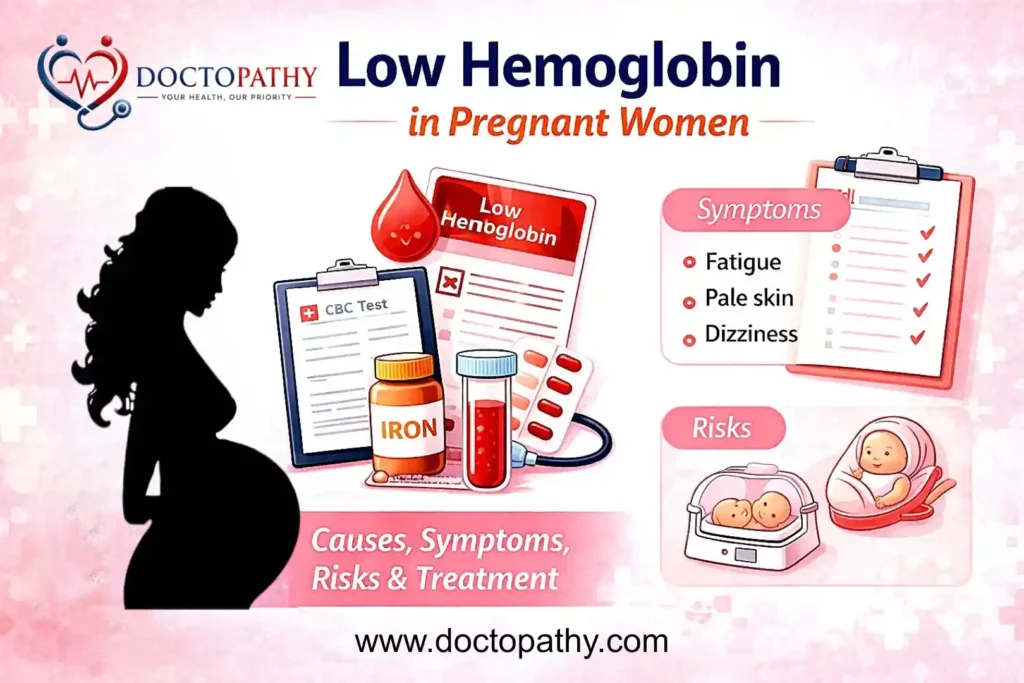
Pregnancy is a crucial period in a woman’s life and maintaining proper health is essential for both mother and baby. One of the most common health problems during pregnancy is low hemoglobin, also known as anemia. In India and many developing regions, a large number of pregnant woman suffer from iron deficiency anemia, which can negatively impact fetal growth and maternal health.
In this detailed guide, we will explain the causes, symptoms, risks, prevention, diet plan and treatment options for low hemoglobin in pregnant woman.
What is Hemoglobin?
Hemoglobin is a protein present in red blood cells that carries oxygen from the lungs to different parts of the body. During pregnancy, a woman’s body produces more blood to support the growing baby. If the body does not have enough iron and essential nutrients, hemoglobin levels may drop, leading to anemia.
Normal Hemoglobin Levels in Pregnancy
- First Trimester: 11 g/dL or above
- Second Trimester: 10.5 g/dL or above
- Third Trimester: 11 g/dL or above
If hemoglobin falls below these levels, it is considered anemia.
Why Low Hemoglobin is Common in Pregnancy
Low hemoglobin during pregnancy usually occurs due to:
1. Increased Blood Volume
During pregnancy, blood volume increases by nearly 50%. If iron intake is insufficient, hemoglobin levels drop.
2. Iron Deficiency
Iron is essential for hemoglobin production. Poor diet or inadequate supplementation leads to deficiency.
3. Folic Acid Deficiency
Folic acid is necessary for red blood cell formation.
4. Vitamin B12 Deficiency
Vitamin B12 plays a key role in healthy blood production.
5. Short Gap Between Pregnancies
When pregnancies occur too close together, the mother’s iron stores do not recover fully.
6. Poor Nutrition
Lack of green leafy vegetables, pulses and iron-rich foods increases risk.
Types of Anemia in Pregnancy
1. Iron Deficiency Anemia
Most common type; caused by insufficient iron.
2. Folic Acid Deficiency Anemia
Caused by low intake of folate-rich foods.
3. Vitamin B12 Deficiency Anemia
Seen in women with poor dietary intake or absorption issues.
Symptoms of Low Hemoglobin in Pregnant Woman
Symptoms may be mild initially but can worsen over time.
- Weakness and fatigue
- Pale skin and lips
- Shortness of breath
- Dizziness
- Headache
- Rapid heartbeat
- Swelling in legs
- Cold hands and feet
If you notice these symptoms, consult your doctor immediately.
Risks of Low Hemoglobin During Pregnancy
Untreated anemia can cause serious complications for both mother and baby.
Risks to the Mother:
- Extreme fatigue
- Increased risk of infections
- Preterm labor
- Excessive bleeding during delivery
- Postpartum depression
Risks to the Baby:
- Low birth weight
- Premature birth
- Delayed growth
- Poor immunity
- Increased risk of infant anemia
Maintaining proper hemoglobin levels is essential for healthy fetal development.
Diagnosis of Low Hemoglobin
Low hemoglobin is diagnosed through a simple blood test.
Important Tests:
- Complete Blood Count (CBC)
- Peripheral smear
- Serum ferritin test
Routine blood tests are conducted during antenatal checkups to monitor hemoglobin levels.
Treatment for Low Hemoglobin in Pregnancy
Treatment depends on severity.
1. Iron Supplements
Doctors usually prescribe iron tablets from the second trimester. In severe cases, iron injections may be recommended.
2. Folic Acid Supplements
Essential for red blood cell formation and preventing birth defects.
3. Vitamin B12 Supplements
Given if deficiency is detected.
4. Blood Transfusion
In very severe anemia (Hb below 7 g/dL), hospitalization and transfusion may be required.
Never take iron supplements without medical advice.
Best Diet for Increasing Hemoglobin
Diet plays a major role in improving hemoglobin levels.
Iron-Rich Foods
- Spinach and green leafy vegetables
- Beetroot
- Pomegranate
- Jaggery
- Dates
- Lentils (dal)
- Soybeans
- Eggs
- Red meat (if non-vegetarian)
Vitamin C Rich Foods (Enhances Iron Absorption)
- Oranges
- Lemon
- Amla
- Guava
- Tomatoes
Foods to Avoid with Iron Tablets
- Tea
- Coffee
- Calcium-rich foods at the same time
Tea and coffee reduce iron absorption.
Sample Diet Plan for Pregnant Woman with Low Hemoglobin
Morning
- Warm water with lemon
- Soaked almonds and dates
- Iron-rich breakfast (vegetable poha or paratha with spinach)
Mid-Morning
- Fresh fruit (pomegranate or guava)
Lunch
- Roti or rice
- Dal
- Green leafy vegetables
- Salad with lemon
Evening
- Coconut water or fruit juice
Dinner
- Light meal with protein (dal, paneer, eggs)
Drink plenty of water throughout the day.
Prevention Tips for Low Hemoglobin
- Start iron and folic acid early in pregnancy
- Eat a balanced diet
- Avoid junk food
- Maintain regular antenatal checkups
- Treat worm infections (if present)
- Maintain spacing between pregnancies
Prevention is always better than cure.
Importance of Regular Antenatal Checkups
Routine antenatal visits help in:
- Monitoring hemoglobin levels
- Detecting high-risk pregnancy
- Preventing fetal growth restriction
- Managing complications early
Doctors may recommend monthly visits initially and more frequent visits in later stages.
Homeopathic Support (If Applicable)
Some woman prefer supportive care along with conventional treatment. However, homeopathic remedies should only be taken under professional supervision. Always consult a qualified practitioner before starting any alternative treatment.
When to Seek Immediate Medical Help
Contact your doctor immediately if you experience:
- Severe breathlessness
- Chest pain
- Very low energy
- Fainting
- Rapid heartbeat
Severe anemia requires urgent medical care.
Conclusion
Low hemoglobin in pregnant woman is a serious yet preventable condition. Proper nutrition, iron supplementation, regular medical checkups and early diagnosis are key to maintaining healthy hemoglobin levels. Anemia not only affects the mother’s energy levels but can also impact the baby’s growth and development.
Every pregnant woman should prioritize her health and follow medical advice carefully to ensure a safe pregnancy and healthy baby.
Frequently Asked Questions (FAQs)
Hemoglobin below 7 g/dL is considered severe and requires urgent treatment.
Yes, it can lead to low birth weight, premature birth and poor growth.
With proper treatment and diet, improvement can be seen within 3–4 weeks.
Yes, due to nutritional deficiencies, anemia is very common in India.
Mild anemia may improve with diet, but moderate to severe cases require supplements.