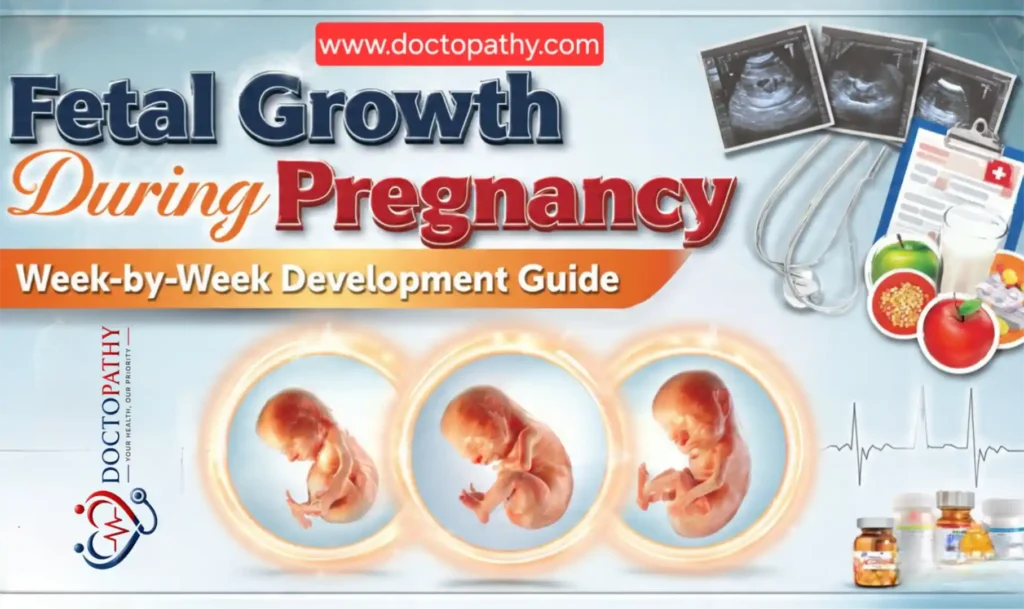
Pregnancy is a beautiful and transformative journey in a woman’s life. The normal duration of pregnancy is 280 days (40 weeks), calculated from the first day of the last menstrual period (LMP). Understanding fetal growth and development is extremely important for every expectant mother. Proper nutrition, regular medical checkups, and a healthy lifestyle play a crucial role in ensuring the healthy development of the baby.
In this detailed guide, we will explore fetal growth month by month, factors affecting development, the importance of maternal health, and precautions every pregnant woman should follow.
Also read this post :- Iron: Benefits, Deficiency, Symptoms, and Best Food Sources
Understanding the Duration of Pregnancy
Pregnancy is divided into three trimesters:
- First Trimester: Week 1 to Week 12
- Second Trimester: Week 13 to Week 27
- Third Trimester: Week 28 to Week 40
Most pregnancies last about 40 weeks. However, babies born between 37 and 42 weeks are considered full-term.
In rural areas, approximately 60–70% of women can recall their last menstrual period, which helps in estimating the expected date of delivery (EDD). Accurate dating is important to monitor fetal growth properly.
First Trimester (Week 1–12): The Foundation Stage
The first trimester is the most critical phase of pregnancy. During this period, the baby’s vital organs begin to form. Any harmful exposure during this time can affect fetal development.
Major Developments in the First Trimester
- Formation of the brain and spinal cord
- Development of the heart
- Formation of eyes and ears
- Development of kidneys and liver
- Formation of limbs (arms and legs)
By the end of the 12th week:
- The baby measures about 2–3 inches long.
- The heartbeat can usually be detected.
- Major organs have formed, though they continue to develop.
Also read this post :- Low Hemoglobin in Pregnant Woman: Causes, Symptoms, Risks & Treatment Guide
Important Precautions in the First Trimester
- Avoid self-medication.
- Do not take any medicine without consulting a doctor.
- Avoid alcohol and smoking.
- Maintain proper nutrition.
- Start prenatal vitamins, especially folic acid.
Certain medications taken during early pregnancy can cause birth defects. Therefore, medical consultation is essential before consuming any drugs.
Second Trimester (Week 13–27): Growth and Movement
The second trimester is often considered the most comfortable period of pregnancy. Morning sickness reduces, and the baby grows rapidly.
Fetal Growth During This Stage
- The baby’s skeleton begins to harden.
- Facial features become distinct.
- The baby starts moving (quickening).
- Hair and eyebrows begin to grow.
- The baby can hear sounds.
By Week 20:
- The baby weighs around 300 grams.
- The mother can clearly feel movements.
By Week 27:
- The baby weighs about 900 grams to 1 kilogram.
- Lungs are developing but not fully mature.
Third Trimester (Week 28–40): Final Development Stage
During the third trimester, the baby gains weight rapidly and prepares for birth.
Key Developments
- Rapid brain development
- Fat accumulation under the skin
- Lung maturation
- Stronger kicks and movements
- Positioning for birth (head-down position)
By Week 40:
- Average baby weight: 2.5 to 3.5 kg
- Fully developed organs
- Ready for delivery
Also read this post :- Vitamin B12: Importance, Deficiency Symptoms, Causes, and Treatment
Factors Affecting Fetal Growth
Fetal growth depends entirely on the mother’s overall health and lifestyle.
1. Maternal Nutrition
Proper nutrition is the most important factor influencing fetal development. A balanced diet should include:
- Proteins (dal, milk, eggs, pulses)
- Iron-rich foods (green leafy vegetables, jaggery)
- Calcium (milk and dairy products)
- Fruits and vegetables
- Whole grains
Iron deficiency anemia is very common in pregnant woman and can lead to low birth weight babies. Therefore, iron supplementation is essential.
2. Anemia
Anemia during pregnancy reduces oxygen supply to the fetus, which can result in:
- Poor fetal growth
- Premature birth
- Low birth weight
- Increased maternal complications
Regular hemoglobin testing is necessary during pregnancy.
3. Physical Activity
Moderate physical activity improves blood circulation and supports healthy fetal growth. Recommended activities include:
- Light walking
- Prenatal yoga (under guidance)
- Gentle stretching exercises
Avoid heavy lifting and strenuous exercise.
4. Maternal Health Conditions
Certain conditions can affect fetal growth:
- High blood pressure
- Diabetes
- Thyroid disorders
- Infections
Regular antenatal checkups help detect these conditions early.
Also read this post :- Folic Acid: Benefits, Deficiency Symptoms, Dosage & Importance in Pregnancy
Importance of Regular Antenatal Checkups
Periodic medical checkups during pregnancy are crucial. These visits help in:
- Monitoring fetal growth
- Checking blood pressure
- Screening for gestational diabetes
- Detecting anemia
- Identifying high-risk pregnancies
Essential Tests During Pregnancy
- Hemoglobin test
- Blood sugar test
- Urine examination
- Ultrasound scans
- Blood group testing
Ultrasound helps monitor fetal development and detect any structural abnormalities.
Warning Signs During Pregnancy
Immediate medical attention is required if the mother experiences:
- Severe abdominal pain
- Vaginal bleeding
- Reduced fetal movements
- Severe swelling
- Persistent headache
- High fever
Early detection of complications can prevent serious outcomes.
Nutrition Plan for Healthy Fetal Growth
Here is a simple daily diet guideline:
Morning
- Warm milk with soaked almonds
- Whole wheat bread or porridge
Lunch
- Roti or rice
- Dal or pulses
- Green leafy vegetables
- Curd
Evening
- Fruits
- Coconut water
Dinner
- Light meal with vegetables and protein source
Drink plenty of clean water throughout the day.
Role of Folic Acid and Iron
Folic Acid
- Prevents neural tube defects
- Essential during early pregnancy
Iron
- Prevents anemia
- Supports oxygen supply to fetus
Doctors usually prescribe supplements from early pregnancy.
Mental Health and Fetal Growth
Emotional well-being is equally important. Stress, anxiety, and depression can indirectly affect fetal growth.
Tips for maintaining mental health:
- Stay positive
- Practice meditation
- Get adequate sleep
- Seek family support
A happy mother contributes to a healthy baby.
High-Risk Pregnancy and Fetal Growth Restriction
Some pregnancies are categorized as high-risk due to:
- Maternal age above 35
- Previous miscarriage
- Multiple pregnancy (twins)
- Chronic diseases
In such cases, close monitoring is required to prevent Intrauterine Growth Restriction (IUGR).
Lifestyle Tips for Healthy Pregnancy
- Avoid tobacco and alcohol.
- Take only prescribed medicines.
- Get vaccinated as advised.
- Maintain hygiene.
- Avoid exposure to infections.
Conclusion
Fetal growth is a delicate and continuous process that depends largely on maternal nutrition, health status, and proper medical care. The first trimester is especially critical because all major organs develop during this time. Avoiding harmful substances, maintaining a balanced diet, treating anemia, and attending regular antenatal checkups can significantly improve pregnancy outcomes.
A healthy mother leads to a healthy baby. Therefore, every pregnant woman should prioritize her physical and mental well-being throughout the 40-week journey.
Frequently Asked Questions (FAQs)
How is fetal growth calculated?
Fetal growth is calculated based on the last menstrual period and confirmed through ultrasound measurements.
Can poor diet affect the baby’s growth?
Yes, inadequate nutrition can lead to low birth weight and developmental issues.
Is exercise safe during pregnancy?
Yes, moderate exercise is safe unless advised otherwise by a doctor.
Why are the first three months important?
Because major organs like brain, heart, and kidneys develop during this period.
How often should a pregnant woman visit the doctor?
At least once a month in early pregnancy, and more frequently in later stages.