Vitamin A is an essential fat-soluble vitamin that helps the body stay healthy. It supports good vision, strong immunity, healthy skin and proper growth.
Scientists Elmer Verner McCollum and Marguerite Davis discovered Vitamin A in 1913.
Vitamin A is found in different forms, including:
- Retinol
- Retinoic acid
- Carotenoids
The body gets Vitamin A mainly through food.
Why is Vitamin A Important?
Vitamin A plays many important roles in the body.
Main Functions of Vitamin A
- Supports healthy eyesight
- Strengthens the immune system
- Maintains healthy skin and mucous membranes
- Helps proper growth and development
- Supports healthy hair and nails
- Helps protect the body from infections
In addition, Vitamin A works with other nutrients to maintain overall health.
Diseases and Problems Caused by Vitamin A Deficiency
Vitamin A deficiency can affect many parts of the body.
Eye Problems
One of the most common effects of Vitamin A deficiency is poor vision.
Eye Disorders Caused by Deficiency
- Night blindness
- Dry eyes
- Blurred vision
- Difficulty seeing in dim light
- Sensitivity to bright light
- Xerophthalmia
- Bitot spots
- Permanent blindness in severe cases
Without treatment, eye damage may become permanent.
Weak Immunity and Infections
Low Vitamin A levels may weaken the immune system.
As a result, the body becomes more vulnerable to infections such as:
- Cold and cough
- Fever and flu
- Pneumonia
- Bronchitis
- Respiratory infections
Children with Vitamin A deficiency may become sick more often.
Skin and Hair Problems
Vitamin A helps maintain healthy skin and hair.
Possible Skin Problems
- Dry skin
- Rough skin
- Cracked lips
- Pimples and spots
- Boils and skin infections
In addition, deficiency may cause hair fall, dry hair and early baldness.
Digestive and General Health Problems
Vitamin A deficiency may also lead to:
- Loss of appetite
- Gas and digestive problems
- Weakness and tiredness
- Reduced body weight
- Low energy levels
Problems in Children
Children need enough Vitamin A for growth and development.
Deficiency Symptoms in Children
- Weakness
- Delayed teething
- Poor growth
- Frequent infections
- Diarrhea
Other Health Problems
Long-term Vitamin A deficiency may affect many organs.
Other Possible Effects
- Weak teeth and cavities
- Brittle nails
- Weak nerves
- Reduced milk production in mothers
- Urinary infections
- Kidney problems
- Heart weakness
- Premature aging
In severe cases, deficiency may also increase the risk of serious diseases.
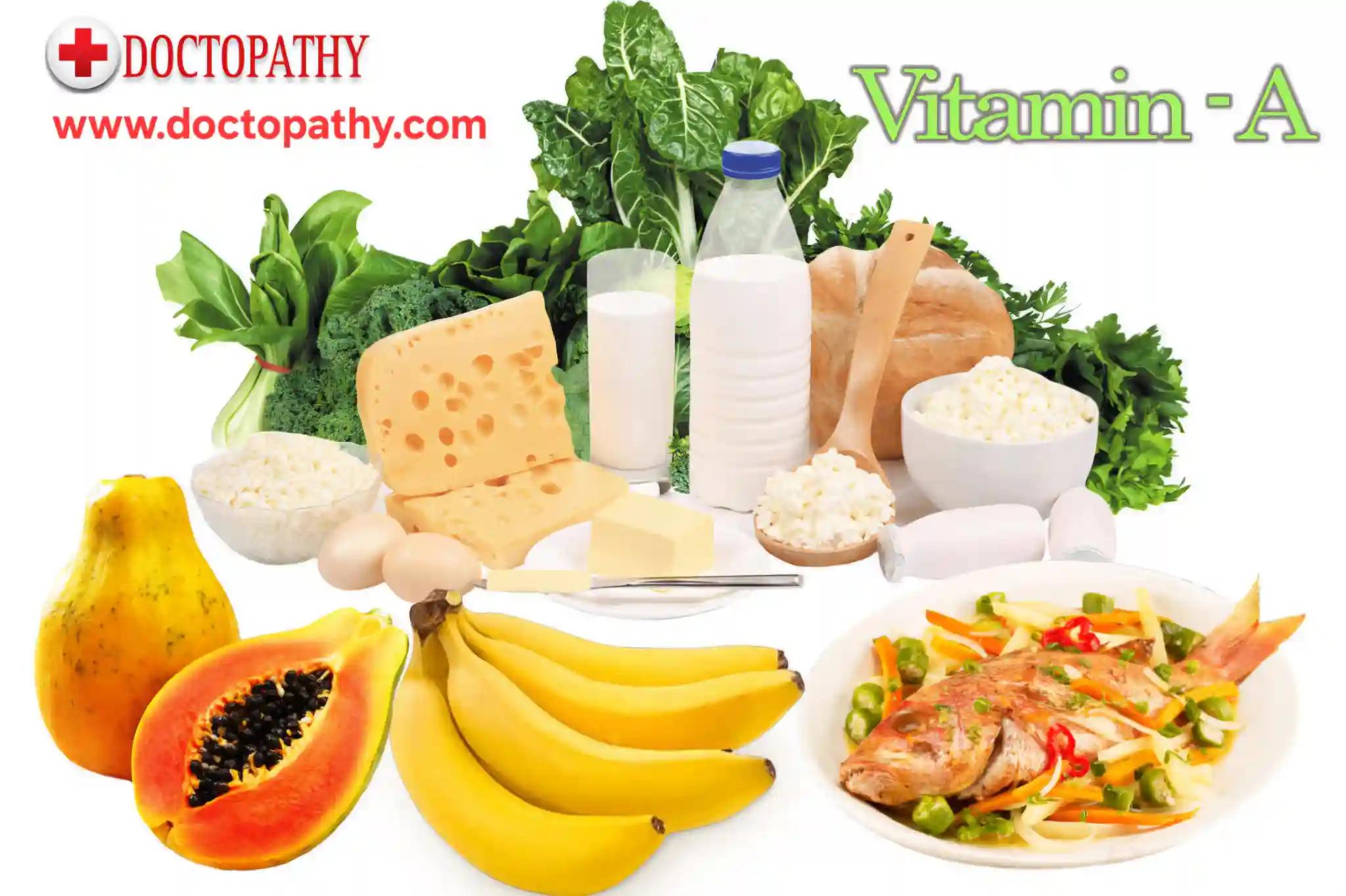
Sources of Vitamin A
A healthy diet can provide enough Vitamin A naturally.
Vegetable Sources
- Spinach
- Carrot
- Tomato
- Cabbage
- Fenugreek leaves
- Mint leaves
- Mustard greens
- Sweet potato
- Beetroot
Fruit Sources
- Mango
- Papaya
- Banana
- Pear
- Seasonal fruits
Bright-colored fruits and vegetables usually contain more carotenoids.
Vegetarian Sources
- Milk
- Butter
- Ghee
- Cream
- Soybean
- Millet
- Hand-pounded rice
Non-Vegetarian Sources
- Fish
- Egg yolk
- Goat liver
- Fish liver oil
Fish liver oil contains very high amounts of Vitamin A.
Important Facts About Vitamin A
Key Facts
- The chemical name of Vitamin A is retinol
- Vitamin A dissolves in fats and oils
- It is not water-soluble
- Green vegetables contain large amounts of Vitamin A
- Pregnant lady need more Vitamin A
- Small children require enough Vitamin A for growth
- Vitamin A helps support immunity
People at Higher Risk of Vitamin A Deficiency
Some groups have a higher risk of deficiency.
High-Risk Groups
- Children under five years
- Pregnant lady
- Breastfeeding mothers
- People with poor nutrition
- Individuals with malabsorption disorders
Vitamin A deficiency is more common in low-income countries.
Public Health Importance
Vitamin A deficiency is one of the leading causes of preventable blindness in children worldwide.
Health experts estimate that hundreds of thousands of children lose vision every year due to severe deficiency.
Therefore, proper nutrition and balanced diets are very important for public health.
Daily Requirement of Vitamin A
The average daily requirement of Vitamin A is approximately:
- 3000–5000 IU per day for adults
Requirements may vary according to age, gender and health condition.
Ultimately
Vitamin A is an essential nutrient that supports healthy vision, immunity, skin, growth and overall health. A balanced diet containing fruits, vegetables, milk and other nutritious foods usually provides enough Vitamin A for the body.
Regular intake of Vitamin-A-rich foods can help prevent deficiency and support long-term health.