
What is a Creatinine Test?
A Creatinine Test is a simple blood or urine test used to evaluate kidney function. Creatinine is a waste product formed from the normal breakdown of muscle tissue. Healthy kidneys filter creatinine from the blood and remove it from the body through urine.
When the kidneys are not functioning properly, creatinine levels in the blood rise. Therefore, this test is commonly used to detect kidney disease, kidney damage, or reduced kidney function.
Also read this post :- Semen test: purpose, procedure, normal range and interpretation of results
Why is the Creatinine Test Done?
A doctor may recommend a creatinine test for the following reasons:
- To check kidney health
- To diagnose kidney disease
- To monitor existing kidney disorders
- To evaluate the effect of medicines on kidneys
- To assess dehydration or urinary tract problems
- As part of routine health checkups
Types of Creatinine Tests
1. Serum Creatinine Test
- Measures creatinine levels in the blood
- Most commonly performed test
2. Urine Creatinine Test
- Measures creatinine excreted in urine
- Often done over 24 hours
3. Creatinine Clearance Test
- Combines blood and urine results
- Gives a more accurate estimate of kidney filtration rate (GFR)
Normal Creatinine Levels
Normal values may vary slightly depending on the laboratory.
Blood (Serum) Creatinine Normal Range
- Adult Men: 0.7 – 1.3 mg/dL
- Adult Women: 0.6 – 1.1 mg/dL
- Children: 0.3 – 0.7 mg/dL
Urine Creatinine (24-hour sample)
- Men: 500 – 2000 mg/day
- Women: 500 – 1500 mg/day
What Does High Creatinine Mean?
High creatinine levels may indicate:
- Kidney infection or kidney failure
- Chronic kidney disease
- Dehydration
- Urinary tract obstruction
- High protein diet
- Muscle injury
- Side effects of certain medicines
Also read this post :- Chronic / Acute Constipation: Causes, Symptoms, Tests & Treatment Guide
What Does Low Creatinine Mean?
Low creatinine levels are less common but may occur due to:
- Low muscle mass
- Malnutrition
- Severe weight loss
- Pregnancy
- Liver disease
How is the Creatinine Test Performed?
Blood Test:
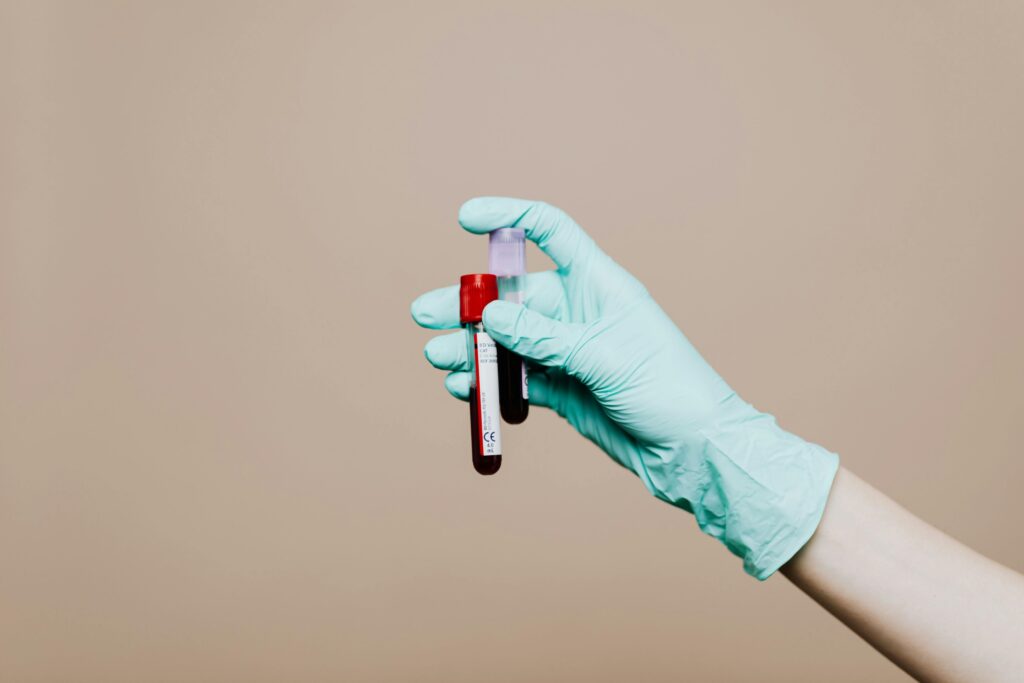
- A small blood sample is taken from a vein in the arm
- No special preparation usually required
Urine Test:
- Urine sample collected (sometimes over 24 hours)
- Follow doctor’s instructions carefully
Preparation for Creatinine Test
- Drink adequate water (unless advised otherwise)
- Avoid heavy exercise before the test
- Inform the doctor about medicines you are taking
- Fasting is usually not required
Is the Creatinine Test Safe?
Yes, the creatinine test is completely safe. Blood testing may cause slight pain or bruising, which resolves quickly.
When Should You See a Doctor?
Consult a doctor if:
- Creatinine levels are consistently high
- You have symptoms like swelling, fatigue, reduced urination, or back pain
- You have diabetes, high blood pressure, or a family history of kidney disease
Conclusion
The Creatinine Test is an essential diagnostic tool for checking kidney health. Early detection of abnormal creatinine levels helps prevent serious kidney complications. Regular testing and medical guidance are important for maintaining healthy kidneys.
Also read this post :- ESR test: Purpose, normal range, procedure and interpretation of results
Frequently Asked Questions (FAQs) – Creatinine Test
What is a creatinine test?
A creatinine test is a blood or urine test that measures creatinine levels to evaluate how well the kidneys are functioning.
Why is the creatinine test important?
The creatinine test helps detect kidney problems early, monitor kidney disease, and assess the impact of medicines on kidney health.
What is the normal creatinine level?
Normal creatinine levels vary by age and gender. In adults, normal blood creatinine levels usually range from 0.6 to 1.3 mg/dL.
What causes high creatinine levels?
High creatinine levels may be caused by kidney disease, dehydration, urinary blockage, high protein intake, muscle injury, or certain medications.
What does low creatinine level indicate?
Low creatinine levels can indicate low muscle mass, malnutrition, liver disease, pregnancy, or severe weight loss.
Is fasting required for a creatinine test?
No, fasting is usually not required for a creatinine test unless advised by your doctor.
How is the creatinine test performed?
The test is performed by collecting a blood sample from a vein or a urine sample. In some cases, a 24-hour urine collection is needed.
Is the creatinine test safe?
Yes, the creatinine test is completely safe. Blood tests may cause mild pain or bruising at the needle site.
When should I get a creatinine test done?
You should get a creatinine test if you have diabetes, high blood pressure, symptoms of kidney problems, or during routine health checkups.
Can creatinine levels be reduced naturally?
Yes, staying hydrated, reducing excessive protein intake, managing blood pressure and blood sugar, and following medical advice can help control creatinine levels.
What is the difference between creatinine and GFR?
Creatinine measures waste levels in the blood, while GFR (Glomerular Filtration Rate) estimates how efficiently the kidneys filter blood.
Should high creatinine levels be a concern?
Yes, persistently high creatinine levels may indicate kidney damage and should be evaluated by a healthcare professional.
Medical Disclaimer
This information is for educational purposes only and should not be considered medical advice. Always consult a qualified healthcare professional for diagnosis and treatment.