The human brain is one of the most complex organs in the body. Even with modern scientific advances, researchers are still discovering how it works and how it shapes our thoughts, emotions, and behaviors. The brain works together with the nervous system to collect information from the body and the environment, helping us understand the world around us.
How the Brain Receives Information
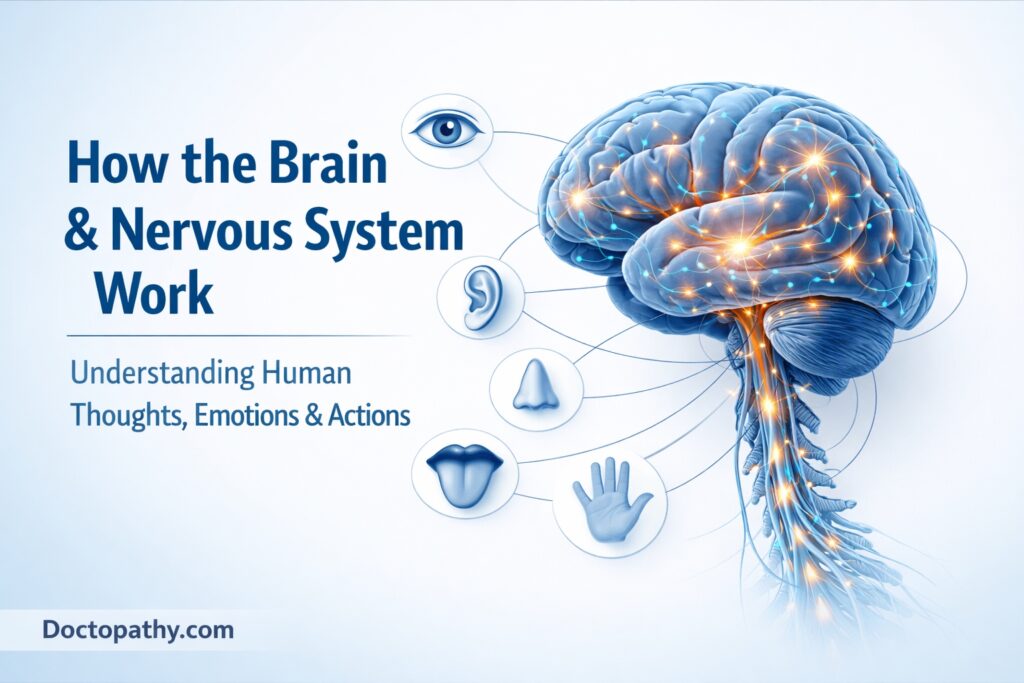
Our brain constantly receives signals from the five senses:
- Eyes (vision)
- Ears (hearing)
- Nose (smell)
- Tongue (taste)
- Skin (touch)
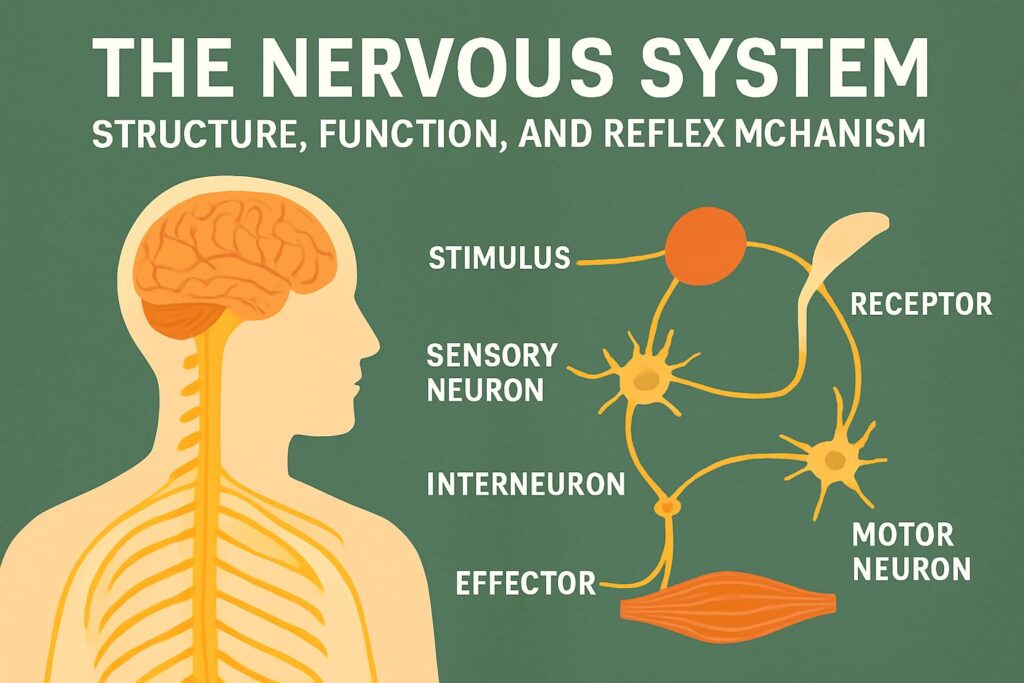
These signals travel through sensory nerves to the spinal cord and then to the brain. The brain processes this information and organizes it into meaningful experiences such as memories, thoughts, preferences, and emotions.
For example, when you see a beautiful landscape, hear music, or smell food cooking, your brain interprets those signals and creates your personal experience of them.
How the Brain Controls Our Actions
Once the brain interprets information, it sends instructions back to the body through motor nerves. These signals tell the muscles and organs how to react.
This is why our bodies respond to different situations:
- We feel hungry when our body needs energy
- We feel thirsty when we need water
- We feel fear when facing danger
- We feel anger when we sense a threat or injustice
For instance, when we encounter a dangerous situation, the brain quickly decides whether we should fight the danger or run away. This reaction is known as the fight-or-flight response and helps us survive.
The Nervous System: The Body’s Communication Network
The nervous system acts like a communication network between the brain and the rest of the body. It consists of:
- The brain
- The spinal cord
- A vast network of nerves
Together, they control almost everything we do — from thinking and moving to feeling and remembering.
Also read this post :- Nervous system: structure, function and reflex mechanisms
The Autonomic Nervous System
Some body functions occur without us even thinking about them. These automatic processes are controlled by the autonomic nervous system, a special part of the nervous system.
The autonomic nervous system regulates essential life functions such as:
- Breathing
- Heartbeat and blood circulation
- Digestion of food
- Removal of waste through the kidneys
Because these functions operate automatically, we do not need to consciously control them. This allows the body to maintain balance and keep us alive.
Why Understanding the Brain Matters
Understanding how the brain and nervous system work helps doctors diagnose and treat many neurological and mental health conditions. It also helps us understand human behavior, emotions, learning, and memory.
As science advances, researchers continue to explore how the brain functions and how we can protect brain health through proper nutrition, sleep, mental activity, and medical care.
Conclusion
The brain and nervous system together create our experiences, emotions, and responses to the world around us. From interpreting sensory signals to controlling vital body functions, the brain plays a central role in shaping who we are. Although scientists have learned a lot about the brain, much of its complexity still remains a mystery, making it one of the most fascinating organs in the human body.
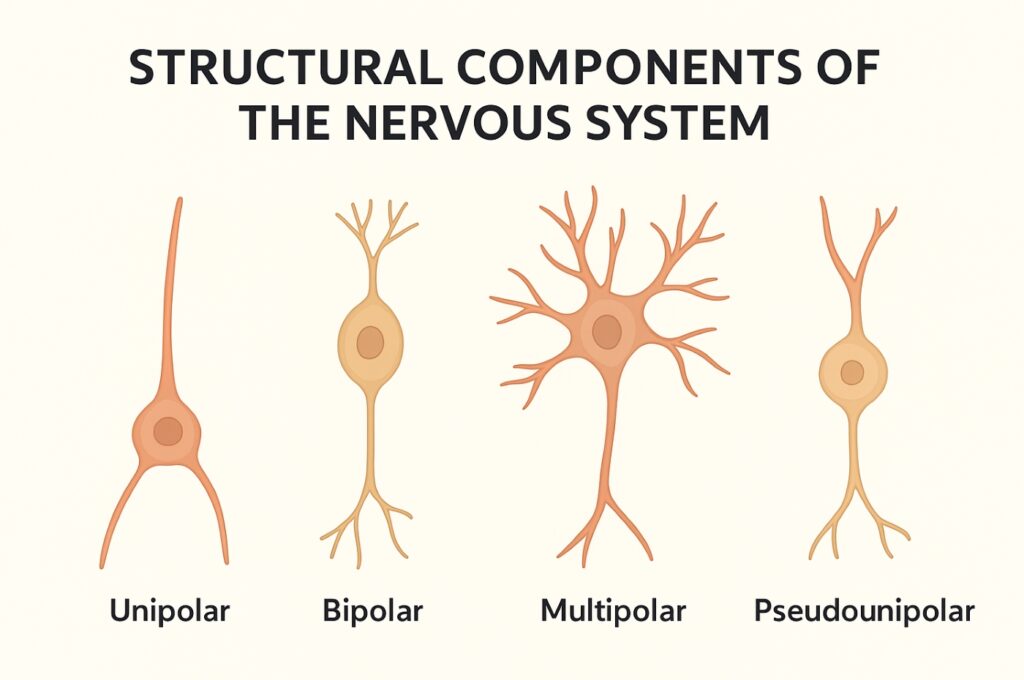
Also read this post :- Structural components of the nervous system: Understanding the functioning of neurons
FAQs
What is the main function of the brain?
The brain processes information from the senses, controls body movements, regulates emotions, and manages vital body functions.
What are sensory nerves?
Sensory nerves carry information from the sense organs to the brain for interpretation.
What are motor nerves?
Motor nerves transmit signals from the brain to muscles and organs, allowing the body to move and respond.
What is the autonomic nervous system?
It is the part of the nervous system that controls automatic body functions such as breathing, heartbeat, and digestion.
Why is the nervous system important?
The nervous system coordinates communication between the brain and the rest of the body, allowing us to think, move, and respond to our environment.