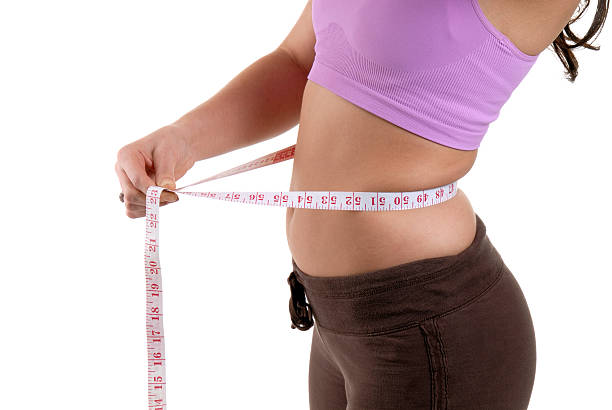

Maintaining a healthy body weight is essential for overall wellness. Obesity is not just a cosmetic concern—it can increase the risk of several health problems such as heart disease, diabetes, joint pain, and high blood pressure. According to the World Health Organization, unhealthy diets and sedentary lifestyles are among the leading causes of obesity worldwide.
One of the most effective ways to lose weight is through proper diet control. Many people believe that heavy exercise alone can help reduce weight, but the truth is that diet plays a far more important role. If a person continues eating foods that promote fat accumulation, exercise alone will not bring significant results.
In this article, we will explain a simple and balanced weight loss diet plan, the importance of changing eating habits, and how proper food choices can help reduce obesity safely and naturally.
Also read this post :- How to get rid of obesity
Why Diet Control Is Important for Weight Loss
Losing weight is almost impossible without controlling your diet. No matter how much exercise, yoga, or physical activity you perform, it will not be very effective if you continue consuming high-fat and high-calorie foods.
However, eating less food is not the best solution. The better approach is changing the type of food you eat. Many people gain weight because of long-term consumption of unhealthy foods such as fried snacks, sugary drinks, processed foods, and excessive carbohydrates.
If you want to reduce weight effectively, you must make a significant change in your eating habits. Once your diet improves, other weight-loss methods like exercise and yoga start working more effectively.
During the first 10–15 days, you may not notice significant changes in your body. This is normal because the body takes time to adjust to a new diet pattern. With consistency and patience, positive results gradually appear.
Importance of a Balanced Diet
A balanced diet contains the right amount of nutrients such as:
- Proteins
- Carbohydrates
- Healthy fats
- Vitamins
- Minerals
- Fiber
These nutrients are essential for maintaining proper body functions while reducing excess fat.
A well-planned diet helps:
- Improve metabolism
- Control appetite
- Maintain energy levels
- Reduce fat accumulation
- Support healthy digestion
The following diet chart is designed to help people suffering from obesity understand what foods they should consume daily. Once a person achieves normal body weight, continuing healthy eating habits prevents weight gain in the future.
Also read this post :- Effective Homeopathic Medicines for Obesity Loss.
Simple Weight Loss Diet Chart
Below is a simple diet plan that may help reduce obesity while maintaining proper nutrition.
Morning Routine (Before Breakfast)
Start your day with:
Lukewarm lemon water
Drinking lemon mixed with lukewarm water helps stimulate digestion and may support metabolism.
Breakfast
Breakfast should be light but energizing.
Recommended foods include:
- One cup of tea with two teaspoons of separated milk
- One teaspoon of sugar or a caffeine tablet (optional)
- One or two salty biscuits
This simple breakfast provides light energy without excessive calories.
You may also add:
- Fresh fruit
- Whole grain toast
These options increase fiber intake and improve satiety.
Lunch
Lunch should be nutritious and balanced.
Suggested meal:
Vegetable Soup
You may take as much vegetable soup as you like. Vegetable soup is low in calories but rich in nutrients.
Thin Lentils (Dal)
One or two bowls of thin lentils provide protein and help keep you full for longer.
Fresh Salad Plate
Include vegetables such as:
- Carrot
- Radish
- Tomato
- Cucumber
Add black pepper, salt, and lemon juice according to taste.
Salads are rich in fiber and help control appetite.
Whole Wheat Rotis
Limit intake to two rotis only.
Light Vegetables
Choose vegetables such as:
- Pumpkin
- Bottle gourd
- Ridge gourd
These vegetables are light, nutritious, and easy to digest.
Buttermilk or Pirni
A bowl or glass of buttermilk helps improve digestion and provides beneficial bacteria.
Also read this post :- Manganese: Benefits, Sources, Deficiency, and Health Effects
Evening Snack
Evening snacks should be light to prevent overeating at dinner.
Recommended options:
- One cup of tea with two teaspoons of separated milk
- One teaspoon of sugar or caffeine tablet
Before tea, you may eat:
- One or two salty biscuits
OR
- Fresh fruit (about 150 grams) such as:
- Papaya
- Guava
- Orange
Fruits provide vitamins, minerals, and fiber while keeping calorie intake moderate.
Dinner
Dinner should be lighter than lunch for better digestion and weight control.
Suggested dinner meal:
Tomato Soup
One cup of tomato soup is light, nutritious, and satisfying.
Milk or Curd
One bowl of plain milk or curd provides calcium and protein.
Fresh Salad
Include:
- Carrot
- Tomato
- Cucumber
Salads help reduce hunger and improve digestion.
Thin Lentils
One bowl of lentils provides protein and supports muscle health.
Whole Wheat Rotis
Limit to two rotis only.
Seasonal Fruit
Eat one fruit such as:
- Orange
- Malta
- Any seasonal fruit
Also read this post :- Cholesterol: Causes, Types, Symptoms, and Natural Ways to Control It
Before Sleeping
If necessary, drink:
- One glass of separated milk
- Two teaspoons of sugar (optional)
Milk provides protein and supports muscle recovery during sleep.
Additional Tips for Effective Weight Loss
1. Drink Plenty of Water
Water helps flush toxins from the body and supports metabolism. Drink 8–10 glasses of water daily.
2. Avoid Processed Foods
Reduce consumption of:
- Fried foods
- Sugary drinks
- Fast foods
- Packaged snacks
These foods contain excessive calories and unhealthy fats.
3. Increase Physical Activity
Combine diet control with:
- Walking
- Yoga
- Cycling
- Light exercise
Even 30 minutes of daily activity can significantly improve weight loss.
4. Eat Slowly
Eating slowly improves digestion and helps the brain recognize fullness, preventing overeating.
5. Maintain Regular Meal Timing
Eating meals at the same time daily helps regulate metabolism.
Benefits of Following a Healthy Weight Loss Diet
Adopting a balanced diet for weight reduction offers many health benefits:
- Improved digestion
- Better metabolism
- Reduced risk of diabetes
- Lower blood pressure
- Increased energy levels
- Better heart health
Healthy weight loss also improves mental well-being and self-confidence.
Conclusion
Weight loss requires patience, discipline, and consistency. Diet control plays a far more important role than extreme exercise alone. Instead of starving yourself, focus on changing your food habits and maintaining a balanced diet.
The simple diet plan described above helps reduce calorie intake while ensuring that the body receives essential nutrients. Over time, this approach can help individuals reduce obesity safely and maintain a healthy lifestyle.
Remember that healthy eating is not a temporary solution—it is a lifelong habit that supports overall well-being.
Also read this post :- What is Vitamin C? | Benefits, Sources, Deficiency Symptoms & Dosage !!!!
Frequently Asked Questions (FAQs)
Most people start noticing changes within 2–4 weeks, depending on metabolism, physical activity, and diet consistency.
No. Exercise helps, but diet control is the most important factor for effective weight loss.
Yes. Fruits like papaya, guava, and oranges are low in calories and rich in fiber.
No. Skipping meals can slow metabolism and increase hunger later.
Yes. Drinking enough water helps control appetite and supports metabolism.