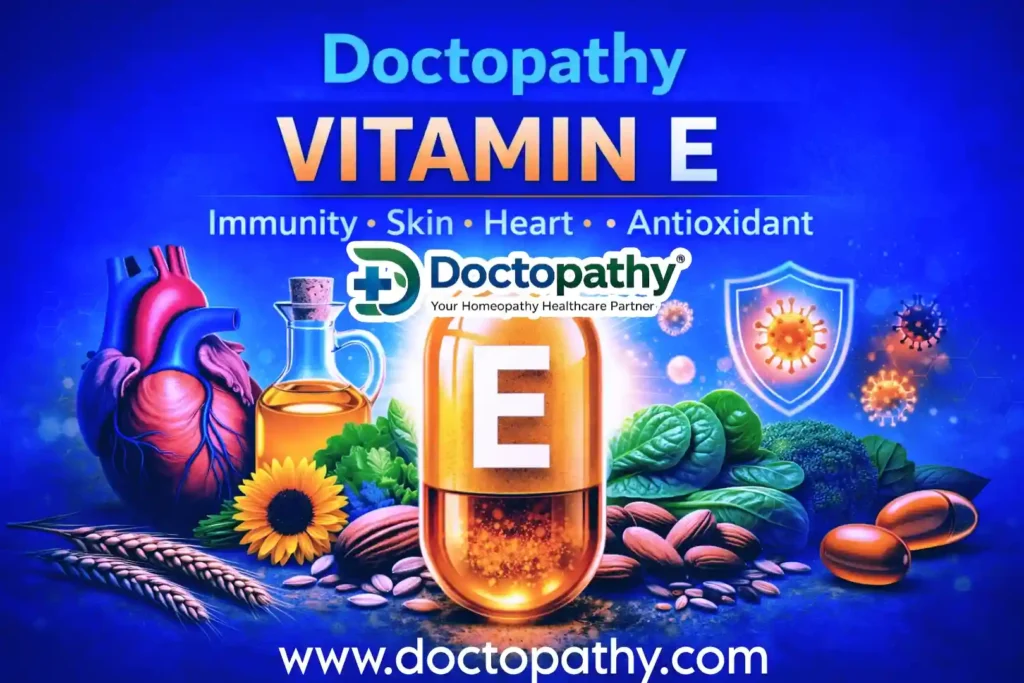
Vitamin E is a fat-soluble vitamin that works as a powerful antioxidant. It helps protect the body’s cells from damage caused by free radicals. This vitamin is important for healthy skin, muscles, nerves, eyes and the immune system.
Scientists Herbert McLean Evans and Katharine Scott Bishop first discovered vitamin E in 1922 during animal studies. They noticed that rats developed reproductive problems when this nutrient was missing from their diet.
Vitamin E is also called tocopherol.
History of Vitamin E Discovery
Researchers discovered vitamin E while studying nutrition in laboratory rats. Female rats that did not receive enough vitamin E had trouble becoming pregnant or maintaining pregnancy. However, when foods rich in vitamin E were added back to their diet, fertility improved.
Later, scientists successfully produced vitamin E in laboratories in 1938. Over time, researchers learned that severe vitamin E deficiency is uncommon in humans. Today, vitamin E is mainly known for its antioxidant and protective functions in the body.
Is Vitamin E Fat-Soluble?
Yes, vitamin E is a fat-soluble vitamin. This means the body stores it in fatty tissues and absorbs it better when eaten with foods that contain fat.
Like vitamins A and D, vitamin E does not dissolve in water.
Natural Sources of Vitamin E
Many healthy foods naturally contain vitamin E.
Rich Sources of Vitamin E
- Wheat germ oil
- Sunflower oil
- Corn oil
- Palm oil
- Cottonseed oil
Other Good Sources
- Spinach
- Lettuce
- Whole grains
- Cereals
- Nuts and seeds
- Egg yolk
- Milk and butter
- Small amounts in meat
Refining grains and making white flour or white rice can reduce the vitamin E content of foods.
Recommended Daily Intake of Vitamin E
The daily requirement depends on age and health condition.
Average Recommended Intake
- Adults: about 14–19 mg daily
- Children: smaller amounts depending on age
- Pregnant and breastfeeding women: slightly higher needs
Most people can meet their needs through a balanced diet.
Functions of Vitamin E in the Body
Vitamin E performs several important functions.
Main Benefits of Vitamin E
- Protects cells from oxidative damage
- Supports the immune system
- Helps maintain healthy skin and eyes
- Supports normal blood circulation
- Helps muscles and nerves function properly
- Protects cell membranes
In addition, Vitamin E works together with other nutrients to support overall health.
Vitamin E Deficiency
Vitamin E deficiency is rare in healthy people. However, it may happen in individuals who cannot properly absorb dietary fats.
Symptoms of Vitamin E Deficiency
- Muscle weakness
- Numbness or tingling
- Poor balance and coordination
- Weak immune system
- Vision problems
Severe deficiency can affect the nerves and muscles over time.
Vitamin E and Fertility
Early studies suggested that vitamin E was very important for reproduction. However, modern research shows that vitamin E mainly supports normal reproductive health rather than directly treating infertility.
Although adequate vitamin E intake is important, supplements alone do not reliably prevent miscarriage or cure fertility problems.
Vitamin E and Skin Health
Vitamin E is widely used in skincare products because it helps protect the skin from oxidative stress.
Possible Skin Benefits
- Supports skin moisture
- Helps dry skin
- May improve the appearance of minor scars
- Supports skin healing
- Helps protect against sun-related damage
Both dietary vitamin E and topical products may support healthy skin.
Vitamin E and Muscle Health
Vitamin E helps protect muscles from oxidative damage. It also supports normal muscle recovery and nerve function.
People who do intense physical activity may benefit from eating vitamin-E-rich foods. Still, very high supplement doses are usually not necessary.
Vitamin E and Heart Health
Vitamin E helps protect blood vessels from oxidative stress. As a result, it may support healthy circulation.
However, vitamin E should not replace prescribed medicines or medical treatment for heart disease.
Vitamin E and the Immune System
Vitamin E supports the body’s natural defense system. It helps immune cells function properly and protects them from damage.
Additionally, vitamin E works with other antioxidants, including vitamin A, to support overall immune health.
Can Vitamin E Prevent Diseases?
Vitamin E may help reduce oxidative stress in the body. It also supports healthy nerves, muscles, skin and eyes.
However, there is no strong scientific proof that vitamin E alone can cure serious diseases such as cancer, paralysis or infertility.
Vitamin E Supplements
Doctors may recommend vitamin E supplements in certain situations, including:
- Confirmed vitamin E deficiency
- Fat-absorption disorders
- Specific medical conditions under supervision
Taking too much vitamin E may increase the risk of side effects, especially bleeding problems. Therefore, supplements should only be used under medical advice.
Conclusion
Vitamin E is an essential nutrient that protects cells and supports many important body functions. It helps maintain healthy skin, muscles, nerves, eyes and immunity.
Most people can get enough vitamin E from a balanced diet that includes nuts, seeds, oils and green vegetables. Although vitamin E is important for health, it is not a miracle cure for diseases.
Frequently Asked Questions (FAQs)
Vitamin E is used to support healthy skin, immunity, muscles, nerves and protection against oxidative stress.
Foods rich in vitamin E include sunflower oil, wheat germ oil, nuts, seeds, spinach and whole grains.
Vitamin E deficiency may cause muscle weakness, poor coordination, numbness, weak immunity and vision problems.
Yes, Vitamin E may help improve skin moisture and protect the skin from damage caused by free radicals.
Vitamin E supplements should only be taken in recommended amounts or under medical advice, because excessive intake may cause side effects.
Medical Disclaimer :
This article is for educational purposes only and does not replace professional medical advice. Always consult a qualified healthcare provider before starting any supplement or treatment.