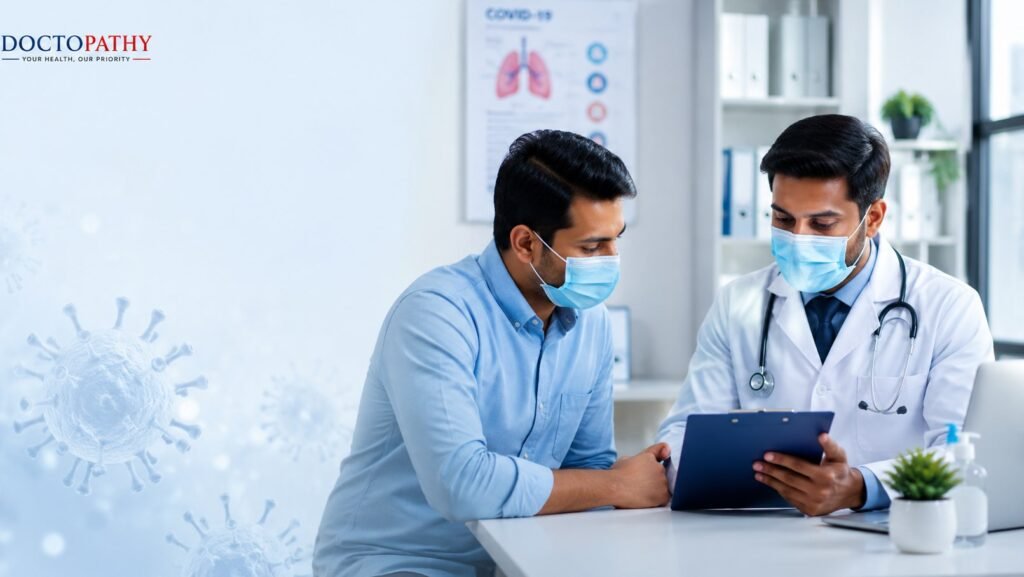
COVID-19 is no longer the same public-health situation that the world experienced during the peak of the pandemic, but the infection has not disappeared. SARS-CoV-2 continues to circulate, and people may still develop COVID-19, particularly during periods when respiratory infections increase.
In 2026, the focus has shifted from pandemic emergency measures toward ongoing surveillance, early recognition of symptoms, protection of high-risk individuals and appropriate medical care.
The Ministry of Health and Family Welfare (MoHFW), Government of India, continues to provide COVID-19 and respiratory-health information through its official health platforms. The MoHFW COVID-19 dashboard remains available for monitoring official information and COVID-related resources.
What Is COVID-19?
COVID-19 is an infectious respiratory disease caused by the SARS-CoV-2 virus.
The infection can affect people differently. Some individuals may have no symptoms or only mild respiratory symptoms, while others may develop more serious illness requiring medical attention.
COVID-19 can occur in people of all ages. However, the risk of severe disease can be higher in older adults and people with certain underlying health conditions.
The World Health Organization continues to describe COVID-19 as an infectious disease caused by SARS-CoV-2.
COVID-19 Situation in India in 2026
India’s COVID-19 situation in 2026 is very different from the large waves experienced during the pandemic.
The official MoHFW COVID dashboard recorded 7 active cases as of February 2, 2026, demonstrating the much lower reported burden compared with the peak pandemic period. However, individual cases and localized increases can still occur.
More recent reports in 2026 also show that COVID-19 infections have continued to be detected in some parts of India. For example, Andhra Pradesh reported cases during June and July 2026, with health authorities monitoring the situation and sending selected samples for genomic analysis.
These developments do not automatically mean that India is experiencing another nationwide COVID-19 wave. Local case increases need to be interpreted in the context of testing, surveillance and public-health assessments.
What Are the Symptoms of COVID-19 in 2026?
COVID-19 symptoms can resemble those of other respiratory infections.
Common symptoms may include:
- Fever
- Cough
- Sore throat
- Runny or blocked nose
- Fatigue
- Headache
- Muscle or body aches
- Shortness of breath
- Changes in taste or smell
Some infected people may have very mild symptoms, while others may become seriously ill.
Because several respiratory infections can cause similar symptoms, symptoms alone cannot always confirm whether someone has COVID-19.
COVID-19 or Another Respiratory Infection?
A cough, fever, sore throat or tiredness does not necessarily mean that a person has COVID-19.
Influenza, common respiratory viruses and other infections can produce similar symptoms.
For this reason, people should avoid assuming the cause of an illness based only on symptoms. Testing and clinical assessment may be appropriate depending on the individual’s condition and current health recommendations.
The Ministry of Health and Family Welfare’s health resources continue to emphasize awareness of respiratory symptoms and appropriate medical evaluation.
Who Should Be More Careful?
Although COVID-19 can affect anyone, some individuals may be more vulnerable to severe illness.
Extra caution may be appropriate for:
- Older adults
- People with certain chronic diseases
- People with weakened immune systems
- Individuals with significant respiratory or cardiovascular conditions
- People with other medical factors that increase their risk of complications
If someone in a higher-risk group develops COVID-19 symptoms, contacting a healthcare professional early can be important.
How Does COVID-19 Spread?
SARS-CoV-2 can spread through respiratory particles released when an infected person breathes, talks, coughs or sneezes.
Transmission can be more likely in crowded or poorly ventilated indoor environments.
Good ventilation and respiratory hygiene remain useful measures for reducing the spread of respiratory infections.
How Can You Reduce the Risk of COVID-19?
Even in 2026, basic respiratory-health precautions remain useful.
Improve Indoor Ventilation
Fresh air and good ventilation can help reduce the concentration of respiratory particles indoors.
Stay Home When You Are Sick
If you develop a fever, cough or other respiratory symptoms, avoid unnecessary close contact with other people while you are unwell.
Follow Good Respiratory Hygiene
Cover your mouth and nose when coughing or sneezing and wash your hands afterward.
Consider a Mask When Appropriate
Mask use may be useful in certain circumstances, particularly for people at higher risk or when respiratory infections are circulating at higher levels. Current local health recommendations should be followed.
Follow Current Vaccination Advice
Vaccination recommendations can change over time. People should follow current recommendations from health authorities and discuss individual vaccination needs with a healthcare professional.
COVID-19 Testing in 2026
Testing can help determine whether a person’s symptoms are caused by SARS-CoV-2.
Whether testing is needed depends on factors such as:
- Symptoms
- Recent exposure
- Individual risk factors
- Local disease activity
- Current public-health recommendations
A healthcare professional can advise whether testing is appropriate and which test should be considered.
What Should You Do If You Test Positive?
If you test positive for COVID-19, follow current medical and public-health advice.
People with mild illness may be able to recover at home with supportive care and monitoring.
General measures may include:
- Getting adequate rest
- Maintaining hydration
- Monitoring symptoms
- Avoiding unnecessary close contact while infectious
- Following medical advice
- Seeking medical attention if symptoms worsen
People at higher risk of severe disease should contact a healthcare professional promptly because some treatments may be more useful when started early in selected patients.
COVID-19 Treatment
Treatment depends on the severity of the infection and the person’s individual risk factors.
For mild illness, supportive care may be sufficient.
For patients who develop severe disease, hospital-based treatment may be necessary. Depending on the clinical condition, this can include oxygen therapy and other medical interventions.
Do Not Self-Medicate
One of the most important lessons from the COVID-19 pandemic is the importance of responsible medicine use.
Do not start antibiotics, steroids, antivirals or other prescription medicines without medical advice.
Antibiotics do not treat viruses such as SARS-CoV-2. They may only be prescribed when a healthcare professional identifies a bacterial infection or another appropriate medical indication.
When Is COVID-19 an Emergency?
Most infections do not result in severe disease, but serious illness can occur.
Seek urgent medical attention if a person develops:
- Severe difficulty breathing
- Persistent chest pain or pressure
- New confusion
- Severe weakness
- Difficulty staying awake
- Bluish or greyish lips, face or skin
- Rapid worsening of symptoms
People with significant underlying medical conditions should seek medical advice earlier if their condition deteriorates.
COVID-19 and Older Adults
Older adults can have a higher risk of complications from respiratory infections.
Family members and caregivers should pay attention to changes such as:
- Increasing weakness
- Breathing difficulties
- Reduced food or fluid intake
- Confusion
- Persistent fever
- Sudden deterioration in general health
Early medical assessment may help identify complications and determine whether additional treatment is required.
COVID-19 in Children
Children can also become infected with SARS-CoV-2.
Many children experience mild illness, but parents should not ignore significant or rapidly worsening symptoms.
Medical attention should be considered if a child develops:
- Difficulty breathing
- Persistent fever
- Severe weakness or unusual sleepiness
- Poor fluid intake
- Signs of dehydration
- Rapid deterioration
Can COVID-19 Cause Long-Term Symptoms?
Some people continue to experience symptoms after the initial infection has resolved.
Possible ongoing symptoms may include:
- Fatigue
- Shortness of breath
- Headache
- Difficulty concentrating
- Sleep problems
- Muscle or body aches
Persistent symptoms can have many possible causes. If symptoms continue for weeks or interfere with normal activities, medical evaluation is recommended.
COVID-19 Vaccination: What to Know in 2026
COVID-19 vaccination played an important role in reducing severe disease during the pandemic.
However, vaccination recommendations are not necessarily identical every year. They may depend on factors such as age, health status, previous vaccination, previous infection, vaccine availability and updated public-health recommendations.
Therefore, people should check current official recommendations rather than relying on vaccination schedules or social-media information from previous years.
Beware of COVID-19 Misinformation
COVID-19 has generated a huge amount of information online.
Some claims about medicines, supplements, vaccines and home remedies may be inaccurate or unsupported by reliable evidence.
Before following any medical advice found online:
- Check the source.
- Look for information from recognized health authorities.
- Avoid taking prescription medicines without professional advice.
- Do not believe claims promising an instant cure.
- Consult a qualified healthcare professional when in doubt.
Why COVID-19 Surveillance Still Matters
Even though COVID-19 is no longer the emergency it was during the pandemic, surveillance remains important.
Monitoring infections allows health authorities to identify changes in disease activity and investigate emerging variants when necessary.
India has established genomic surveillance capabilities for SARS-CoV-2, and health authorities can use genomic testing to investigate selected samples when epidemiologically appropriate.
Recent 2026 reports from Andhra Pradesh, for example, noted that selected COVID-19 samples were sent for genomic sequencing to identify the circulating strain.
COVID-19 in 2026: Should You Be Worried?
There is no reason for unnecessary panic simply because COVID-19 cases are reported.
At the same time, COVID-19 should not be completely ignored.
The sensible approach in 2026 is awareness without fear.
People should pay attention to respiratory symptoms, protect vulnerable family members, follow appropriate preventive measures and seek medical help when symptoms become serious.
Current health information should be based on updated recommendations rather than old pandemic-era messages.
Final Takeaway
COVID-19 continues to exist in 2026, but its public-health impact is very different from the early years of the pandemic.
For most people, the important priorities are recognizing symptoms, avoiding unnecessary exposure when sick, maintaining good respiratory hygiene and seeking medical care when needed.
People at higher risk of severe illness should be particularly attentive to new symptoms and discuss prevention and treatment options with their healthcare professional.
For the latest official information in India, readers should refer to the Ministry of Health and Family Welfare (MoHFW) and the National Centre for Disease Control (NCDC) rather than relying on outdated social-media posts.
Medical Disclaimer
This article is intended for general health education and informational purposes only. It does not replace professional medical diagnosis, treatment or individual medical advice. COVID-19 recommendations may change as surveillance data, scientific evidence and public-health policies evolve. If you develop severe, persistent or worsening symptoms, consult a qualified healthcare professional promptly.