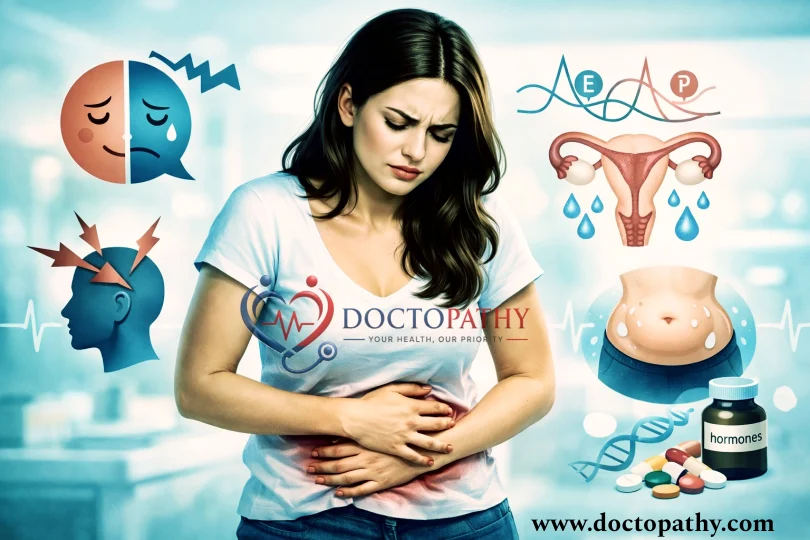
Hysteria, also called “Vaigola” in traditional language, is a condition related to emotional and mental stress. In modern medicine, this condition is usually linked with anxiety disorders, conversion disorder or emotional imbalance rather than being called “hysteria.”
A person with this condition may show physical symptoms that are triggered by emotional stress, fear, anxiety, grief, or mental shock. The symptoms are real for the patient even when medical tests do not show a physical disease.
Women are more commonly affected, especially those who are emotionally sensitive, but men can also experience similar problems.
What is Hysteria?
Hysteria is a condition in which emotional or psychological stress affects the nervous system and causes physical or emotional symptoms.
The person may suddenly cry, laugh, feel nervous, develop body movements or experience choking sensations without any major physical illness.
Modern psychology considers it a stress-related emotional disorder rather than a disease of any particular body organ.
Causes of Hysteria
Several emotional and physical factors may contribute to this condition.
1. Emotional Shock
Strong emotional events can trigger symptoms, such as:
- Death of a loved one
- Relationship problems
- Fear or sudden shock
- Severe disappointment
2. Mental Stress
Continuous anxiety, overthinking, emotional pressure or excessive mental work may disturb the nervous system.
3. Suppressed Emotions
People who hide their emotions or do not express feelings openly may become emotionally disturbed over time.
4. Lack of Physical Activity
Too much mental work with little physical exercise may increase nervous weakness.
5. Hormonal or Menstrual Problems
In some women, irregular menstruation or hormonal imbalance may worsen emotional symptoms.
Types of Hysteria
1. Convulsive Type
In this type, emotional attacks are accompanied by unusual body movements.
Symptoms
- Sudden emotional excitement
- Laughing and crying alternately
- Deep sighing
- Twitching or jerking of limbs
- Body stiffness
- Feeling of a lump in the throat
- Weakness after attacks
During severe episodes, the person may shout loudly, cry or lose emotional control for some time.
2. Sensory Type
This type mainly affects sensations and feelings.
Symptoms
- Sensitivity to sound
- Feeling of choking in the throat
- Heaviness in the pelvic region
- Persistent cough
- Frequent hiccups
- Excessive yawning
These sensations feel real to the patient even when no physical cause is found.
3. Emotional and Behavioral Type
In this type, emotional changes are more noticeable than physical symptoms.
Symptoms
- Irritability
- Quick anger
- Fear about health
- Anxiety and restlessness
- Mood swings
- Emotional overreaction
The patient may repeatedly feel unwell despite normal medical reports.
Common Symptoms of Hysteria
Common symptoms may include:
- Sudden crying or laughing
- Emotional instability
- Nervousness and anxiety
- Choking sensation in throat
- Trembling movements
- Shortness of breath
- Tightness in chest
- Insomnia
- Weakness after emotional episodes
- Lump sensation rising from stomach to throat
Symptoms often become worse after emotional stress or mental shock.
Homeopathic Treatment for Hysteria
Homeopathy focuses on the mental and emotional condition of the patient along with physical symptoms.
Ignatia
Ignatia is commonly used when symptoms develop after grief, emotional shock or disappointment.
Indications
- Frequent sighing
- Lump in throat sensation
- Difficulty swallowing
- Emotional mood changes
- Sleeplessness
- Nervous spasms
- Symptoms after grief or bad news
Suitable for emotionally sensitive individuals.
Natrum Muriaticum 200
This remedy is useful for people who silently suffer from emotional stress.
Indications
- Deep grief
- Suppressed emotions
- Emotional headaches
- Repeated emotional episodes
- Reserved nature
It is often helpful when Ignatia gives only partial relief.
Platina
Platina may help in cases with emotional intensity and mood changes.
Indications
- Pride or superiority feelings
- Emotional instability
- Frequent laughing and crying
- Oversensitivity
- Emotional excitement
Often useful in emotionally sensitive young women.
Pulsatilla
Pulsatilla is commonly used when symptoms are associated with menstrual irregularities.
Indications
- Delayed or suppressed periods
- Emotional sensitivity
- Desire for sympathy
- Frequent weeping
- Mood swings
- Symptoms worse in warm rooms and better in fresh air
Suitable for mild, gentle and emotional personalities.
Senecio
Senecio is helpful when symptoms are related to menstrual suppression or hormonal imbalance.
Indications
- Emotional episodes with menstrual problems
- Nervous weakness
- Irregular periods
- Emotional disturbances
Lifestyle and Prevention Tips
1. Reduce Stress
Practice yoga, meditation, or breathing exercises regularly.
2. Express Emotions
Talking to trusted people or counselors may help reduce emotional pressure.
3. Exercise Daily
Regular physical activity improves nervous system health.
4. Eat a Healthy Diet
Balanced nutrition supports mental and hormonal balance.
5. Take Proper Sleep
Adequate sleep helps maintain emotional stability.
6. Seek Emotional Support
Counseling or therapy may help manage emotional trauma effectively.
When to Consult a Doctor
Consult a healthcare professional if symptoms include:
- Frequent emotional episodes
- Severe anxiety or depression
- Uncontrolled body movements
- Persistent insomnia
- Sudden personality changes
Proper medical evaluation is important to rule out serious neurological or psychological conditions.
Conclusion
Hysteria is an emotional and stress-related condition that can cause both mental and physical symptoms. Emotional shock, anxiety, suppressed feelings and hormonal changes may contribute to the condition.
Homeopathic remedies such as Ignatia, Natrum Muriaticum, Platina, Pulsatilla and Senecio may help when selected according to individual symptoms.
Along with proper treatment, stress management, emotional support, healthy lifestyle habits, and regular exercise can greatly help in managing the condition.
Frequently Asked Questions (FAQs)
Hysteria is an emotional and psychological condition where stress or emotional disturbance causes physical or emotional symptoms.
Common causes include emotional shock, stress, anxiety, suppressed emotions and hormonal imbalance.
It is the sensation of a lump or choking feeling in the throat often associated with emotional stress.
Ignatia, Natrum Muriaticum, Platina, Pulsatilla, and Senecio are commonly used depending on symptoms.
Yes, stress management, emotional support, exercise, counseling and proper treatment can help manage symptoms effectively.
Medical Disclaimer :
The information provided on this website is for educational and informational purposes only and is not intended as medical advice. Always consult a qualified healthcare professional before starting any treatment.