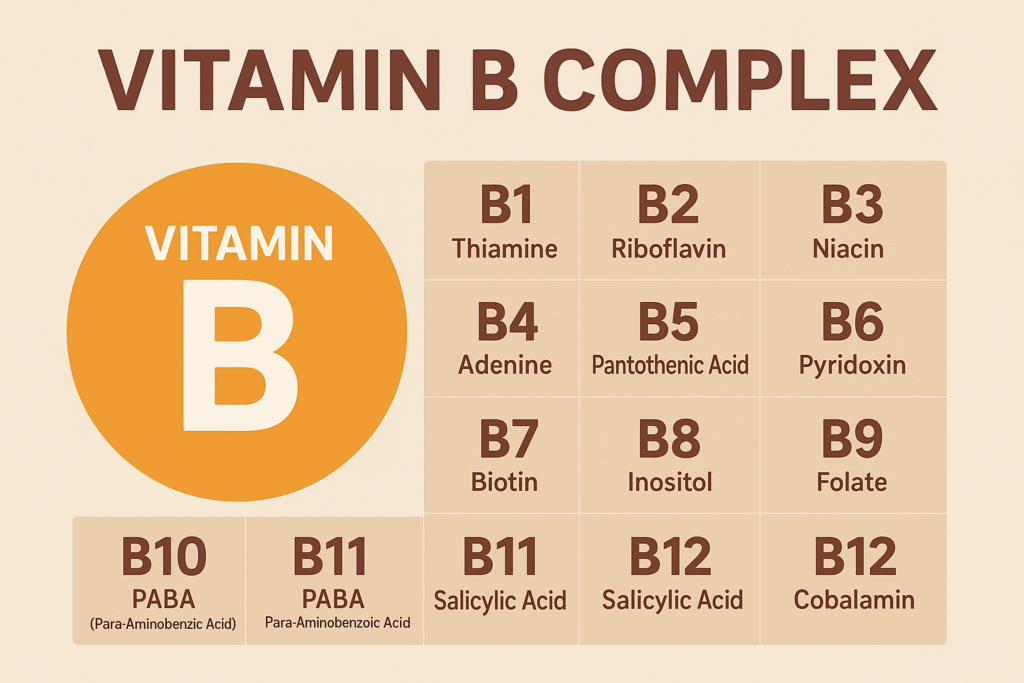
Vitamin B1 (thiamine) is an essential nutrient that helps the body convert food into energy, supports nerve function, strengthens muscles and maintains a healthy heart and digestive system. Lack of sufficient vitamin B1 leads to vitamin B1 insufficiency, which can cause serious physical and neurological damage, including beriberi, heart failure, digestive failure and neurological disorders.
Also read this post :- Vitamin B Complex – Parts, Names, and Health Benefits
Who needs more Vitamin B1?
Pregnant women need 5 mg daily during pregnancy.
Breastfed babies depend on their mother’s vitamin B1 levels – a deficiency can cause stomach and heartburn problems.
Hardworking and obese individuals require more Vitamin B1 due to higher energy consumption.
People who eat machine-polished rice or refined wheat are more likely to suffer from nutritional deficiencies.
Causes of Vitamin B1
A poor diet lacking in whole grains, green vegetables and fermented foods
Excessive consumption of polished rice or refined wheat
Poor absorption due to digestive disorders
Alcohol addiction or chronic illness
Vomiting during pregnancy (early sign of deficiency)
Also read this post :- Vitamin A or ( Retinoic Acid, Retinol ). Diseases caused by Vitamin A deficiency and sources of Vitamin A.
Symptoms of Vitamin B1 Deficiency
| Social class | General symptoms |
| General | Fatigue after little activity, weight loss, loss of appetite |
| Digestion | Indigestion, constipation, nausea, sticky stools |
| Nerve and muscle | Numbness, muscle pain when touched, tremors, paralysis |
| Heart | Rapid pulse, weak heart rate, enlarged heart |
| Mental | Irritability, memory loss, insomnia, decreased sexual desire |
| Pregnancy | Vomiting, abnormal fetal development |
Beri-Beri: A specific disease caused by Vitamin B1 deficiency
Vitamin B1 deficiency causes beriberi, which has two main types:
| Types of beriberi | Main characteristics |
| Dry Beriberi | Muscle weakness, paralysis, nerve pain |
| Wet Beriberi | Swelling in the body, rapid heartbeat, fluid accumulation in the lungs, testicles and abdomen |
| Mixed Beriberi | A combination of both is considered fatal. |
Important: If dry and wet symptoms appear together, immediate treatment is necessary as this
can lead to heart failure or death.
Also read this post :- Vitamin B2 (Riboflavin) Deficiency: Symptoms, Diseases, Sources & Treatment
Other diseases caused by Vitamin B1 deficiency
Vitamin B1 deficiency is associated with the following problems:
- Digestive disorders: diarrhea, dysentery, liver failure, poor digestion
- Heart problems: palpitations, fainting, enlargement of the heart
- Neurologic problems: tetanus-like cramps, facial paralysis, back pain
- Mental disorders: lethargy, irritability, insomnia
- Skin diseases and anemia
- Pregnancy Complications and Infertility
Benefits of Vitamin B1
Adequate amounts of vitamin B1 help in :
➠ Strengthens nerves and muscles
➠ Improves digestion (especially of salty foods)
➠ Keeps the liver and intestines healthy
➠ Prevents intestinal infections
➠ Balances protein in the blood
➠ Increases lifespan
Best Foods Rich in Vitamin B1
To avoid vitamin B1 deficiency, include the following in your diet:
- Dried fermented foods (fermented foods)
- Fresh yeast and wheat sprouts
- Whole wheat cereals and bread
- Peas, potatoes, leafy green vegetables
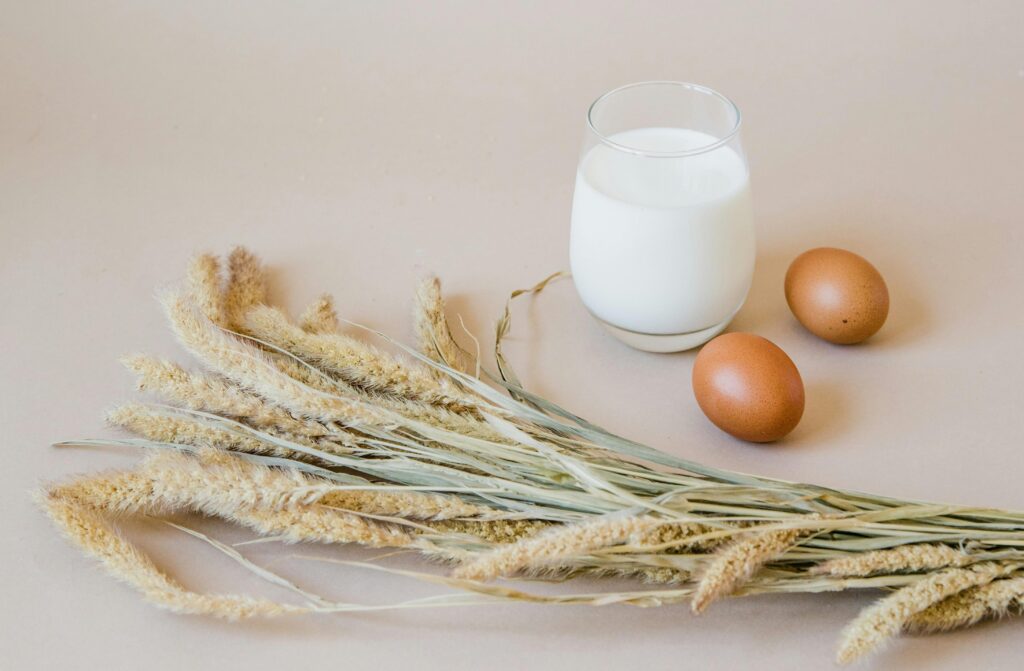
- Milk and egg yolk
Conclusion
Vitamin B1 deficiency is no minor problem – if left unattended, it can be life-threatening. Its effects range from digestive problems to nerve damage and heart failure. Fortunately, it’s easily preventable and reversible with a proper diet and supplementation.
Frequently Asked Questions (FAQs)
What is the first sign of vitamin b1 deficiency?
Loss of appetite for no apparent reason is one of its early warning signs.
Can vitamin b1 deficiency cause heart problems?
Yes, severe deficiency can lead to weakening of the heart, rapid pulse and even enlargement of the heart.
How does vitamin b1 deficiency affect the brain?
It damages the nervous system, causing numbness, irritability, memory loss and insomnia.
Who is most at risk of beriberi?
People who regularly consume polished rice or refined flour are at the highest risk.
Can pregnant women be deficient in vitamin B1?
Yes. Vomiting during pregnancy is often a sign of a deficiency and severe deficiency can lead to complications.