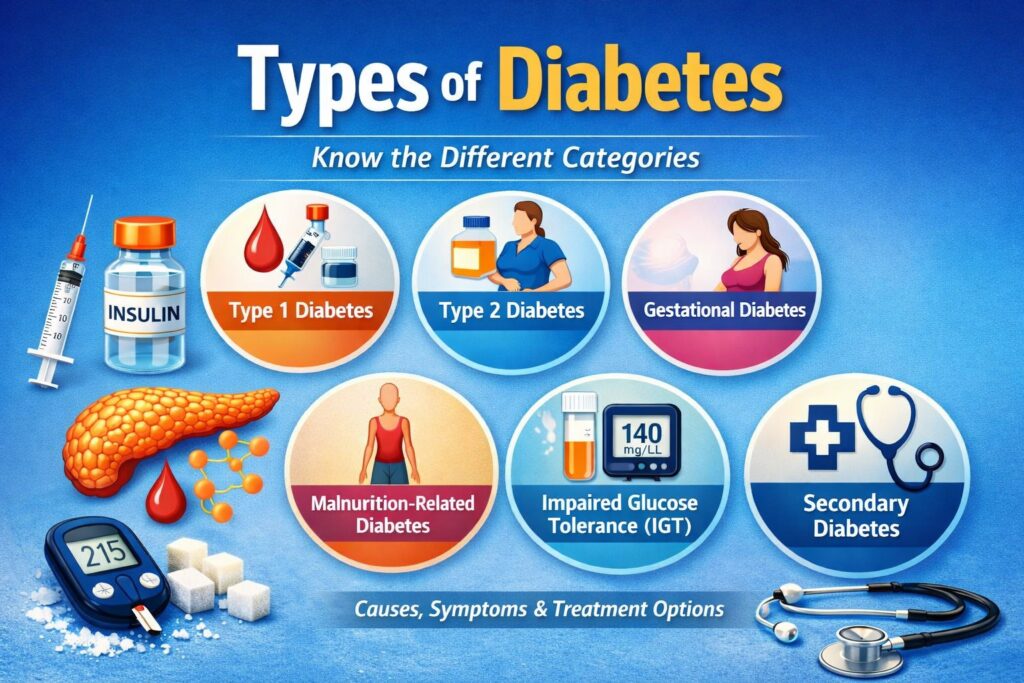
Diabetes mellitus, commonly known as diabetes, is a chronic metabolic disease in which blood glucose (sugar) levels rise above normal and the body’s cells are unable to use glucose efficiently. This condition occurs mainly due to a deficiency of insulin, a hormone secreted by the pancreas, or because the body cannot use insulin properly.
Also read this post :- Types of Diabetes Mellitus: Causes, Symptoms, and Classification
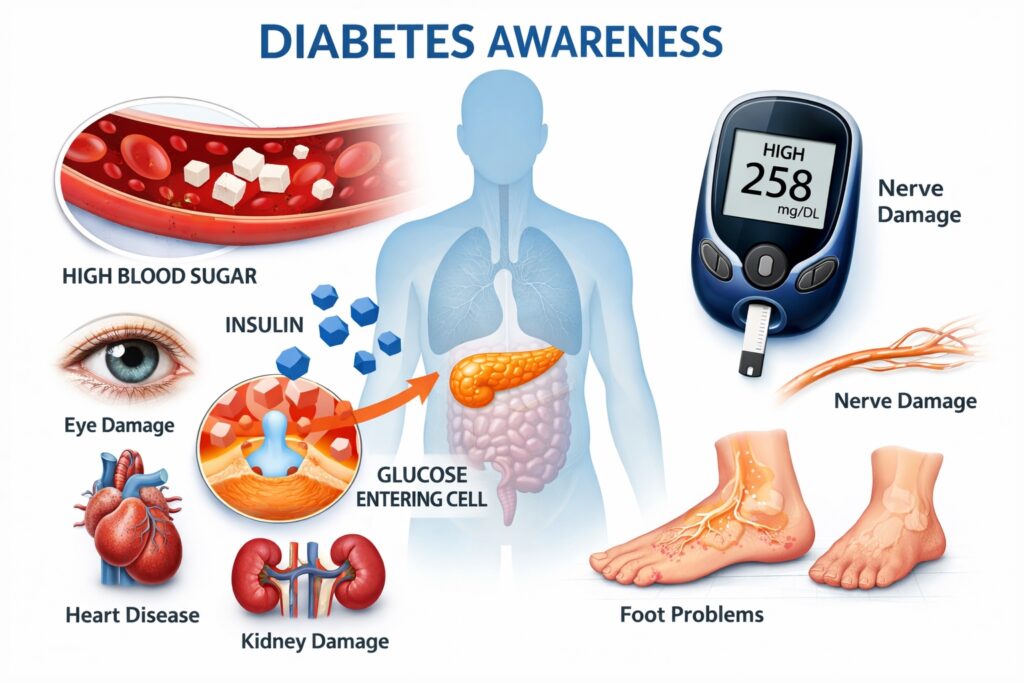
Insulin plays a vital role in regulating blood sugar by allowing glucose to enter the body’s cells, where it is used as energy. When insulin is absent or ineffective, glucose accumulates in the bloodstream, leading to high blood sugar levels, also known as hyperglycemia.
Meaning of Diabetes Mellitus
The term “diabetes mellitus” literally means “sweet urine.” This name was given because sugar is often detected in the urine of diabetic patients. Diabetes mellitus is different from diabetes insipidus, a condition in which excessive urination occurs without the presence of sugar in urine.
Diabetes mellitus is frequently associated with high blood pressure, obesity, and abnormal cholesterol levels, a combination known as metabolic syndrome.
Why Is Diabetes Called a “Silent” or “Slow Death” Disease?
Diabetes is often referred to as a “silent killer” or “slow death” because many patients do not experience noticeable symptoms in the early stages. However, persistently high blood glucose levels gradually damage vital organs such as:
- Heart
- Kidneys
- Eyes
- Nerves
- Blood vessels
If left uncontrolled, diabetes can lead to serious and life-threatening complications over time.
Is Diabetes a Lifelong Disease?
Yes, diabetes is a chronic condition, and many patients live with it for 30 to 40 years or more. However, with proper blood sugar control, healthy lifestyle choices, and regular monitoring, people with diabetes can live long and relatively normal lives.
In many cases, disciplined habits such as balanced nutrition, exercise, stress management, yoga, and a clear understanding of the disease can significantly reduce complications. Some patients may even manage their condition without medication under medical guidance.
Why Does Diabetes Occur?
Role of Carbohydrates and Blood Sugar
Carbohydrates are a major part of our daily diet and provide 60–70% of the body’s energy needs. After eating, carbohydrates are broken down into glucose, which enters the bloodstream. As a result:
- Blood glucose levels rise within 30 minutes
- Reach peak levels within 2 hours
In a healthy person:
- Fasting blood glucose: 70–100 mg/dL
- After meals: 120–140 mg/dL
Insulin helps move glucose from the blood into cells, where it is used for energy. Blood sugar levels then return to normal within 2–3 hours.
Also read this post :- Axillary Abscess: Causes, Symptoms, Treatment, and Prevention
What Happens in Diabetes?
In diabetes, insulin is either insufficient or ineffective. Insulin acts like a gatekeeper, allowing glucose to enter cells. When insulin fails to work properly:
- Glucose remains in the blood
- Cells remain “hungry” despite excess sugar
- Blood glucose levels may rise above 140 mg/dL
- In severe, undiagnosed cases, levels may reach 500 mg/dL or more
This situation is similar to a thirsty person surrounded by water but unable to drink it.
Complications of Diabetes
Long-term uncontrolled diabetes can damage small blood vessels, a condition called microangiopathy. Major complications include:
1. Diabetic Neuropathy
Damage to nerves, causing pain, numbness, or tingling, especially in hands and feet.
2. Diabetic Nephropathy
Kidney damage that can lead to chronic kidney disease or kidney failure.
3. Diabetic Retinopathy
Damage to the eyes that may result in vision loss or blindness.
4. Heart Disease
Diabetes significantly increases the risk of heart attack, stroke, and other cardiovascular diseases.
Managing Diabetes Effectively
Diabetes can often be controlled through:
- Healthy eating habits
- Regular physical activity
- Stress management
- Yoga and meditation
- Weight control
- Regular blood glucose monitoring
When lifestyle changes and oral medications are insufficient, insulin therapy becomes the most effective and life-saving treatment.
Conclusion
Diabetes is a serious but manageable disease. Early diagnosis, proper education, and disciplined lifestyle choices play a crucial role in preventing complications. With the right approach, diabetes does not have to control your life — you can control diabetes.
Also read this post :- ESR test: Purpose, normal range, procedure and interpretation of results
Frequently Asked Questions (FAQs)
What is diabetes mellitus?
Diabetes mellitus is a chronic disease in which blood sugar levels become high because the body either does not produce enough insulin or cannot use insulin effectively. This leads to poor glucose utilization by body cells.
What are the main causes of diabetes?
Diabetes can occur due to insulin deficiency, insulin resistance, unhealthy diet, lack of physical activity, obesity, genetic factors, stress, and hormonal imbalances.
What are the common symptoms of diabetes?
Common symptoms include frequent urination, excessive thirst, increased hunger, unexplained weight loss, fatigue, blurred vision, and slow wound healing. In early stages, symptoms may be mild or absent.
Can diabetes be controlled without medication?
In many cases, especially in early or type 2 diabetes, blood sugar levels can be controlled through a healthy diet, regular exercise, weight management, stress reduction, and lifestyle changes under medical supervision.
What are the long-term complications of diabetes?
Uncontrolled diabetes can lead to serious complications such as heart disease, kidney failure (nephropathy), nerve damage (neuropathy), eye problems (retinopathy), and poor blood circulation.