What Are Small Breasts?
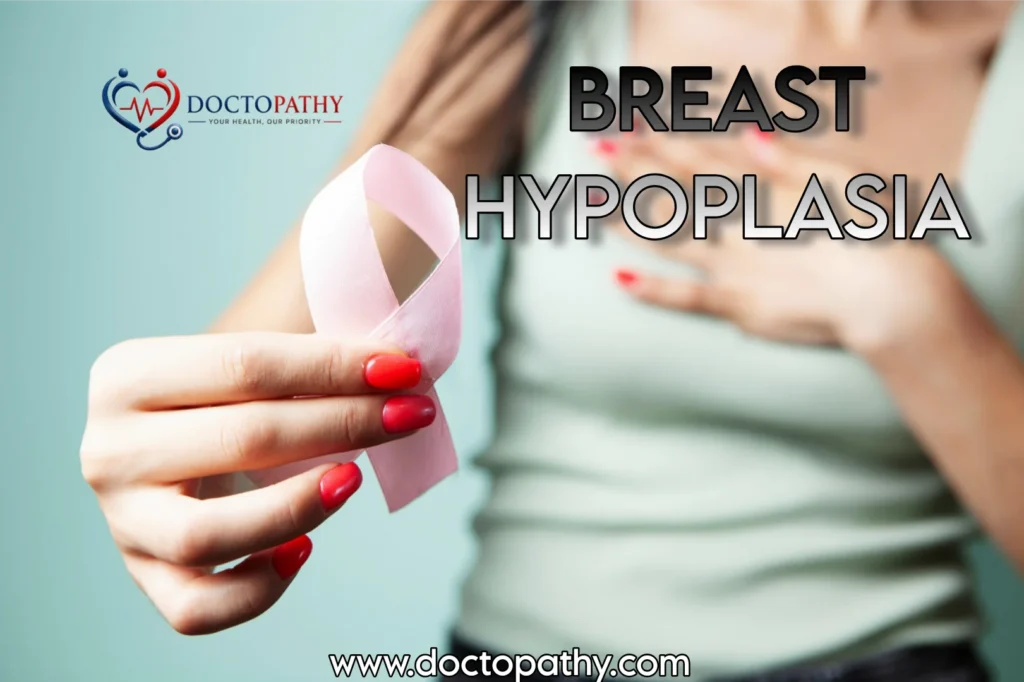
Small breasts, medically known as breast hypoplasia or underdeveloped breasts, refer to breasts that are smaller than expected for a woman’s age and body type. Breast size varies naturally from person to person, and having small breasts is not necessarily a disease. However, in some cases, breast underdevelopment may be linked to hormonal or medical conditions.
Causes of Small Breast Size
Several factors can affect breast development, including:
1. Genetics
Genetics plays the biggest role in determining breast size. Women often inherit breast characteristics from their family.
2. Hormonal Imbalance
The hormone estrogen is important for breast development. Low estrogen levels during puberty or adulthood may affect breast growth.
3. Low Body Weight
Women with very low body fat may naturally have smaller breasts because breasts contain fatty tissue.
4. Nutritional Deficiencies
Poor nutrition during childhood and adolescence can affect normal body development, including breast growth.
5. Congenital Conditions
Some women are born with conditions that affect breast development or the reproductive system.
6. Medical Disorders
Certain hormonal disorders, ovarian problems or endocrine diseases may interfere with normal breast growth.
Symptoms Associated with Underdeveloped Breasts
- Smaller-than-average breast size
- Uneven breast development
- Reduced breast fullness
- Concerns about body image or self-confidence
- In some cases, difficulty with milk production after childbirth
Diagnosis
A doctor may evaluate:
- Medical history
- Family history
- Hormonal profile
- Physical examination
- Imaging studies if necessary
Proper diagnosis helps identify whether the condition is simply a natural variation or related to an underlying medical problem.
Treatment Options
1. Medical Treatment
If breast underdevelopment is caused by a hormonal imbalance, a doctor may recommend appropriate treatment after a complete evaluation. Hormone therapy should only be used under medical supervision.
2. Healthy Lifestyle
Maintaining a balanced diet, regular exercise and a healthy body weight supports overall health and normal hormone function.
3. Cosmetic Procedures
For women seeking a larger breast size, cosmetic breast augmentation surgery may be an option. Modern procedures use implants or fat transfer techniques to improve breast shape and volume.
4. Psychological Support
Women who experience emotional distress due to body image concerns may benefit from counseling or support groups.
Can Massage Increase Breast Size?
Breast massage may improve blood circulation and skin health, but there is no strong scientific evidence that massage alone can significantly increase breast size.
When to See a Doctor
Consult a healthcare professional if:
- Breast development is absent or significantly delayed.
- One breast is much smaller than the other.
- There are symptoms of hormonal imbalance.
- You have concerns about fertility or milk production.
Prevention
Not all causes of small breasts can be prevented, especially genetic factors. However, maintaining good nutrition, a healthy lifestyle and regular medical checkups can support normal growth and development.
Conclusion
Small breast size is often a natural variation and does not usually affect a woman’s health. However, hormonal disorders, nutritional deficiencies and certain medical conditions may contribute to underdeveloped breasts. A proper medical evaluation can help identify the cause and guide appropriate treatment when necessary.
Medical Disclaimer:
This article is for educational and informational purposes only and should not be considered medical advice. Always consult a qualified healthcare professional for diagnosis and treatment.