
Introduction
Perinatal Asphyxia (PNA), also known as Birth Asphyxia, is a serious medical condition that occurs when a newborn baby does not receive enough oxygen before, during, or immediately after birth. Oxygen is essential for the proper functioning of the brain and other vital organs. When oxygen supply is interrupted, it can lead to respiratory distress in newborns, organ damage, and in severe cases, death.
This condition requires immediate medical intervention because prolonged oxygen deprivation can cause permanent brain injury or neurological complications. However, when treated promptly, many babies recover completely without long-term complications.
Also read this post :- Perinatal Asphyxia (Birth Asphyxia): Causes, Symptoms, Treatment, and Prevention
What is Perinatal Asphyxia?
Perinatal asphyxia refers to a lack of oxygen (hypoxia) and reduced blood flow (ischemia) to a newborn baby around the time of delivery. This oxygen deprivation can cause increased acid levels in the baby’s body, a condition known as metabolic acidosis.
The severity of perinatal asphyxia varies:
- Mild cases: Baby recovers quickly with minimal treatment.
- Moderate cases: May require oxygen support and monitoring.
- Severe cases: Can lead to brain damage, organ failure, or death if not treated immediately.
Causes of Birth Asphyxia
Several maternal, fetal, and delivery-related complications can cause perinatal asphyxia.
1. Umbilical Cord Problems
Umbilical Cord Prolapse
This occurs when the umbilical cord slips through the cervix before the baby. The baby’s body may compress the cord, reducing oxygen supply.
Umbilical Cord Compression
Pressure on the cord during labor can reduce blood flow to the baby.
2. Meconium Aspiration Syndrome
Sometimes the baby passes meconium (first stool) in the amniotic fluid before birth. If the baby inhales this mixture of amniotic fluid and meconium, it can block the airways and cause breathing difficulty.
3. Premature Birth
Babies born before 37 weeks of pregnancy often have underdeveloped lungs, making it difficult for them to breathe effectively.
4. Placental Problems
Placental Abruption
This occurs when the placenta separates from the uterus before delivery, reducing oxygen supply to the baby.
5. Maternal Health Conditions
Several maternal health problems can increase the risk of birth asphyxia:
- High blood pressure during pregnancy
- Low blood pressure
- Severe maternal illness
- Infection during labor
- Maternal anemia
- Low oxygen levels in the mother’s blood
6. Amniotic Fluid Embolism
Although rare, this is a life-threatening condition in which amniotic fluid enters the mother’s bloodstream, causing a severe allergic reaction and affecting oxygen supply to the baby.
Also read this post :- A Baby’s First Breath: Why It Is the Most Precious Moment of Life
Signs and Symptoms of Birth Asphyxia
Symptoms of perinatal asphyxia may appear before birth, during labor, or after delivery.
Before Birth
- Abnormal fetal heart rate
- Reduced fetal movement
- Low fetal blood pH level (high acidity)
After Birth
The newborn may show several signs of oxygen deprivation.
Common Symptoms
- Abnormal skin color (bluish or pale)
- Baby does not cry immediately after birth
- Slow or irregular heart rate
- Difficulty breathing
- Weak muscle tone
- Seizures or convulsions
- Baby appears lethargic
- Low blood pressure
- Reduced urine output
- Abnormal blood clotting
If these symptoms appear, immediate medical treatment is necessary.
Diagnosis of Perinatal Asphyxia
Doctors diagnose birth asphyxia using several clinical assessments and tests.
Common Diagnostic Methods
- Apgar score assessment
- Blood gas analysis
- Blood pH measurement
- Fetal heart rate monitoring
- Neurological examination
- Imaging tests such as ultrasound or MRI
These tests help determine the severity of oxygen deprivation and guide treatment.
Treatment Protocol for Perinatal Asphyxia
Treatment focuses on restoring oxygen supply and stabilizing the newborn’s condition.
1. Initial Supportive Care
Diet
NBM (Nil By Mouth) with Total Fluid Output monitoring (TFO).
Airway Management
- OP-NP suction immediately and as needed
- Oxygen inhalation at 0.5 L/min if required
These steps help clear the airway and improve breathing.
2. Intravenous Fluid Therapy
Infusion
Libott-10 (10% Dextrose) administered intravenously to maintain energy levels and prevent hypoglycemia.
3. Antibiotic Therapy
To prevent or treat infection:
- Inj. Maxcef (Cefotaxime) IV – twice daily
- Inj. Pen-A IV – twice daily
These antibiotics protect the newborn from bacterial infections that can worsen the condition.
4. Calcium Therapy
Injection Calcium Gluconate mixed with dextrose water (D/W) is given very slowly over 10 minutes to correct electrolyte imbalance and support cardiac function.
5. Nasal Support
Solo nasal drops
1 drop in each nostril as needed to help maintain airway patency.
Also read this post :- Pediatric Vitamins and Hematinics: Dosage, Indications, and Clinical Use
Possible Complications of Birth Asphyxia
If not treated promptly, perinatal asphyxia can lead to serious complications such as:
- Brain injury
- Developmental delay
- Cerebral palsy
- Epilepsy
- Organ damage (heart, lungs, kidneys)
- Learning disabilities
- Death in severe cases
Early treatment significantly reduces the risk of these complications.
Prevention of Perinatal Asphyxia
Preventive measures during pregnancy and delivery can reduce the risk.
Key Preventive Steps
- Regular prenatal checkups
- Monitoring maternal blood pressure
- Proper nutrition during pregnancy
- Monitoring fetal heart rate during labor
- Early detection of placental problems
- Skilled medical supervision during delivery
Timely medical care greatly improves outcomes for both mother and baby.
Conclusion
Perinatal asphyxia is a serious neonatal condition caused by oxygen deprivation during birth. It can lead to respiratory distress, neurological damage, and life-threatening complications if not treated quickly. Early diagnosis, proper monitoring during labor, and immediate medical treatment can significantly improve survival rates and reduce long-term complications.
With advances in neonatal care, many babies affected by birth asphyxia can recover completely and lead healthy lives.
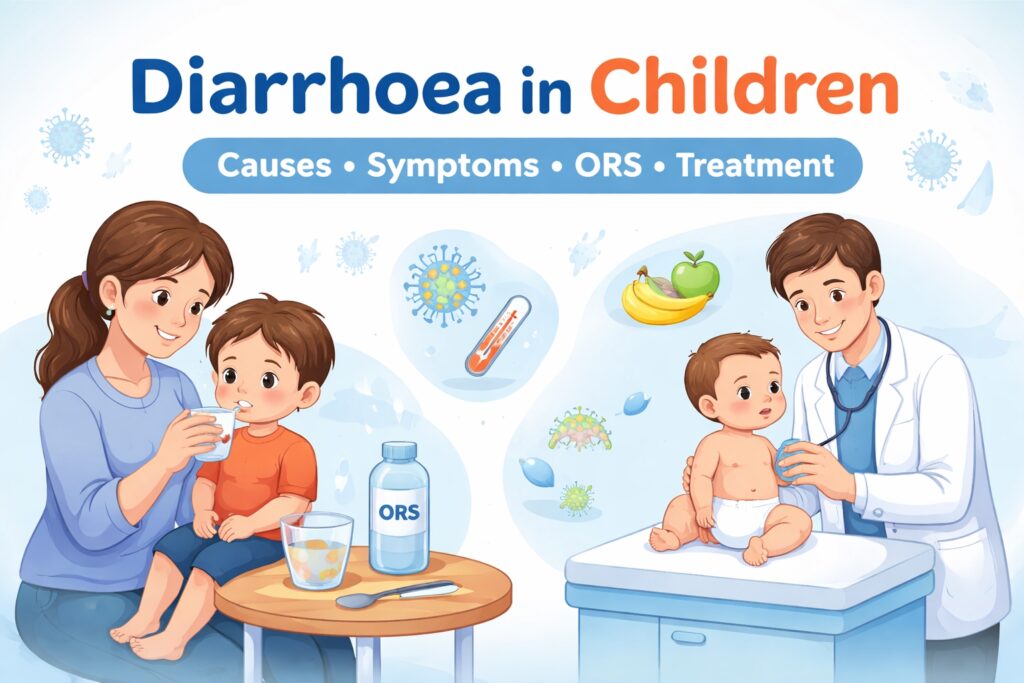
Also read this post :- Diarrhoea in Children (Infantile Diarrhoea): Causes, Symptoms, Dehydration & Treatment
FAQs:- Perinatal Asphyxia (Birth Asphyxia)
What is perinatal asphyxia?
Perinatal asphyxia is a condition where a newborn baby does not receive enough oxygen before, during, or immediately after birth.
What causes birth asphyxia?
Common causes include umbilical cord problems, placental abruption, premature birth, maternal illness, and meconium aspiration.
What are the symptoms of birth asphyxia in newborns?
Symptoms include difficulty breathing, abnormal skin color, slow heart rate, seizures, and poor muscle tone.
Can birth asphyxia cause brain damage?
Yes, severe oxygen deprivation can lead to permanent brain injury.
Is birth asphyxia treatable?
Yes, immediate treatment with oxygen therapy, medications, and supportive care can help many babies recover.
What is meconium aspiration syndrome?
It occurs when a baby inhales a mixture of amniotic fluid and meconium before or during birth.
Can premature babies develop respiratory distress?
Yes, premature babies often have underdeveloped lungs which can cause breathing problems.
How is perinatal asphyxia diagnosed?
Doctors use Apgar score, blood tests, fetal heart monitoring, and imaging studies.
Can birth asphyxia be prevented?
Regular prenatal care and proper monitoring during labor can reduce the risk.
What is the survival rate of babies with birth asphyxia?
With prompt medical treatment, many babies recover completely.
Medical Disclaimer:
This article is for educational purposes only and should not replace professional medical advice, diagnosis, or treatment. Always consult a qualified healthcare professional for medical concerns.