Premenstrual Syndrome (PMS)
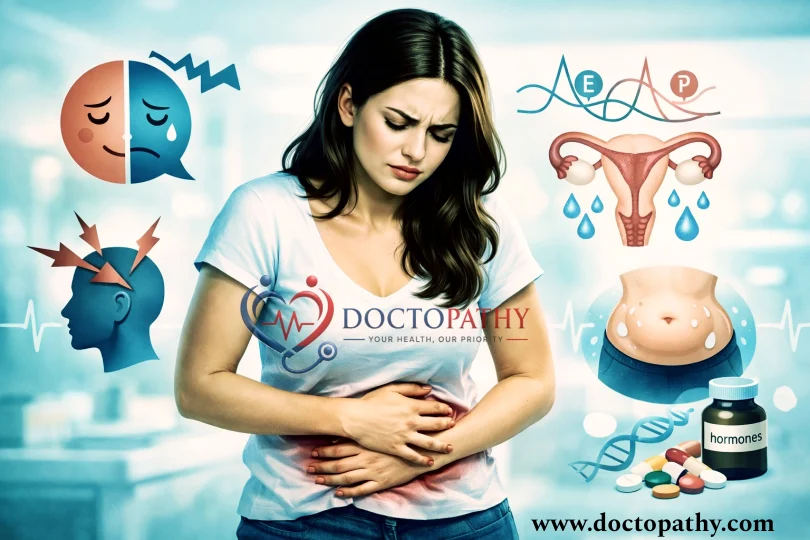
Premenstrual Syndrome (PMS) is a common health condition that affects many women before their monthly periods. It causes physical, emotional, and behavioral symptoms that usually begin a few days or weeks before menstruation. In most cases, the symptoms improve or disappear once the menstrual period starts.
PMS can be mild for some women, while others may experience symptoms severe enough to affect daily activities, work, relationships and emotional health. Hormonal changes during the menstrual cycle are believed to be the main reason behind PMS.
Causes of Premenstrual Syndrome
The exact cause of PMS is still not completely known. However, several factors may increase the risk of developing PMS.
Common causes and risk factors include:
- Hormonal changes during the menstrual cycle
- Changes in estrogen and progesterone levels
- Stress and emotional problems
- Anxiety or depression
- Family history of PMS
- Poor sleep habits
- Lack of physical activity
- Unhealthy diet
- Excess caffeine or alcohol intake
- Thyroid or hormone-related disorders
- Hormonal changes after pregnancy
- Side effects of birth control pills
In addition, changes in brain chemicals like serotonin may affect mood, sleep and emotions. As a result, women may experience emotional symptoms before periods.
Symptoms of Premenstrual Syndrome
PMS symptoms usually begin 5–10 days before menstruation and improve after periods start. The symptoms may vary from woman to woman.
Physical Symptoms
- Breast pain or tenderness
- Bloating
- Water retention
- Weight gain
- Headache
- Back pain
- Joint or muscle pain
- Acne or pimples
- Tiredness and fatigue
- Abdominal discomfort
Emotional and Behavioral Symptoms
- Mood swings
- Irritability
- Anxiety
- Sadness or depression
- Crying easily
- Anger
- Poor concentration
- Sleep problems
- Food cravings
- Social withdrawal
Severe Symptoms
Sometimes PMS becomes severe and may seriously affect emotional health. This condition is called Premenstrual Dysphoric Disorder (PMDD).
Severe symptoms include:
- Severe depression
- Extreme mood changes
- Panic attacks
- Suicidal thoughts
- Severe breast pain
- Severe menstrual cramps
Women with severe symptoms should seek medical advice immediately.
Treatment of Premenstrual Syndrome
Treatment depends on the severity of symptoms. Mild cases often improve with healthy lifestyle changes, while moderate or severe cases may need medicines.
1. Lifestyle Changes
Lifestyle improvement is the first and most important step in managing PMS.
Helpful lifestyle changes include:
- Regular exercise
- Healthy balanced diet
- Eating more fruits and vegetables
- Drinking enough water
- Reducing salt intake
- Limiting caffeine and alcohol
- Getting proper sleep
- Practicing yoga or meditation
- Managing stress properly
- Keeping a symptom diary
These habits can help reduce both physical and emotional symptoms.
2. Supplements for Mild PMS
Some supplements may help reduce mild PMS symptoms.
Common supplements include:
- Calcium
- Magnesium
- Vitamin E
- Vitamin B6
- Evening Primrose Oil
However, Vitamin B6 should not be taken in high doses without medical advice.
3. Medicines for Moderate PMS
Doctors may prescribe medicines if symptoms are moderate or severe.
Antidepressant Medicines
Fluoxetine may help improve mood symptoms, anxiety, and irritability.
Common dosage:
- Fluoxetine 20 mg daily for 10–14 days before periods
OR - Fluoxetine 10–20 mg daily continuously
These medicines should only be taken under medical supervision.
4. Treatment for Specific Symptoms
PMS with Water Retention
Doctors may prescribe:
- Spironolactone 100 mg daily
It is usually started a few days before symptoms begin.
PMS with Severe Breast Pain
- Danazol 200 mg daily may be used in severe cases.
PMS with Painful Periods
Pain-relieving medicines such as:
- Mefenamic acid 500 mg three times daily
may help reduce menstrual cramps.
Prevention of PMS
Although PMS cannot always be prevented completely, healthy habits can reduce symptoms significantly.
Helpful prevention tips include:
- Exercise regularly
- Eat healthy foods
- Avoid smoking
- Reduce sugar and caffeine intake
- Sleep well
- Control stress
- Avoid alcohol
- Track the menstrual cycle
In addition, maintaining a healthy lifestyle can improve overall hormonal balance.
When to See a Doctor
Consult a doctor if:
- Symptoms become severe
- PMS affects daily activities
- Depression or suicidal thoughts occur
- Symptoms worsen every month
- Severe pain develops
- Hormonal disorders are suspected
- Conditions like PCOS or endometriosis are possible
A gynecologist or endocrinologist may be needed for further evaluation.
Practice Tips for Managing PMS
- Keep a monthly symptom diary
- Follow treatment regularly
- Give at least 3 menstrual cycles to judge improvement
- Avoid self-medication
- Take medicines only as advised by a doctor
- Pay attention to emotional health
FAQs About Premenstrual Syndrome
PMS is a group of physical and emotional symptoms that happen before menstruation.
Symptoms usually last 5–10 days before periods and improve after menstruation begins.
Hormonal changes, stress, genetics and changes in brain chemicals are common causes.
PMS cannot always be cured, but symptoms can be controlled effectively with proper treatment and lifestyle changes.
PMS is considered severe when it affects daily life, mental health, relationships or work performance.
Medical Disclaimer :
This article is for educational and informational purposes only. It is not a substitute for professional medical advice, diagnosis or treatment. Always consult a qualified healthcare professional for proper medical care.