As soon as a baby is born, the entire home fills with happiness when its first cry is heard. That cry is not just a sound of life—it is proof that the newborn has taken its first breath, the most precious breath it will ever take. If this cry is not heard, the joy of the family instantly turns into anxiety and fear.
Many poets jokingly say that a newborn cries because it regrets coming into this world after leaving heaven. However, from a medical point of view, this first cry has a very important purpose.
Medical Science Behind a Baby’s First Cry
Inside the mother’s womb, the baby does not breathe air. The lungs are filled with fluid, and oxygen is supplied through the placenta. When the baby is born, pressure on the chest helps push this fluid out of the lungs. The newborn then takes its first breath and the strong cry helps clear any remaining fluid so that oxygen-rich air can enter the lungs.
This oxygen is essential for the proper functioning of the brain, heart and other vital organs. That is why a newborn’s first breath is so critical.
Delayed First Breath: A Serious Medical Emergency
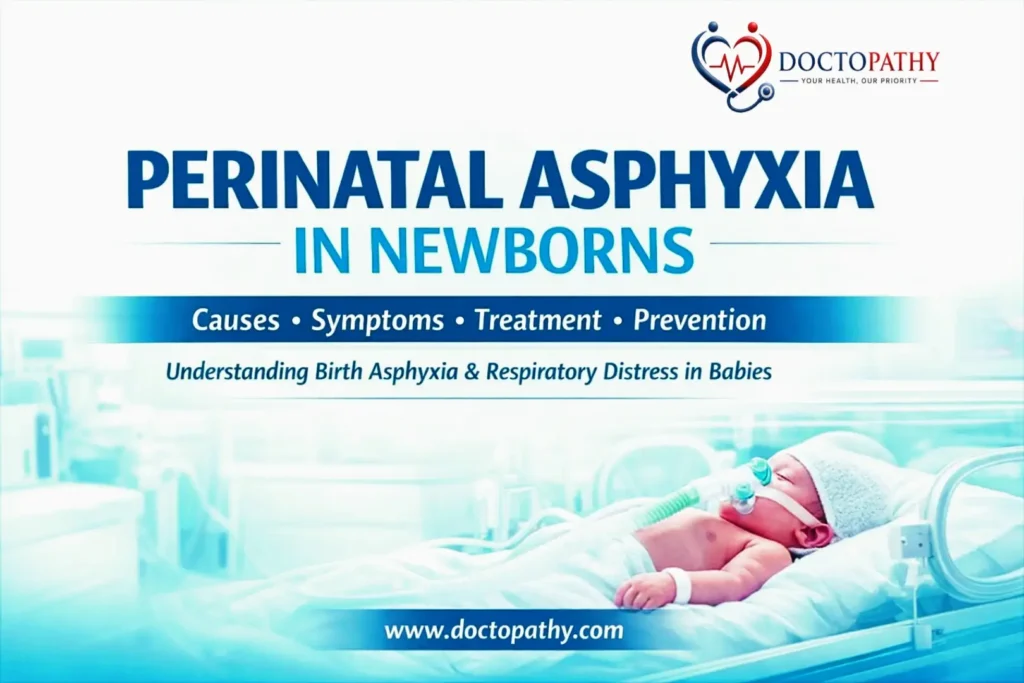
Globally, millions of newborns die within the first month of life and a significant percentage of these deaths are linked to a delay in the first breath. If a baby is unable to breathe properly due to retained lung fluid or congenital defects of the lungs, throat, windpipe or intestines, severe complications can occur.
Even a delay of 30 seconds in the first breath can reduce oxygen supply to the brain, leading to permanent damage such as:
- Mental retardation
- Vision or hearing impairment
- Paralysis of arms or legs
- Seizures
- Developmental delays
This information is not meant to scare parents, but to raise awareness based on established medical research and clinical experience.
Warning Signs of Breathing Problems in Newborns
Parents should seek immediate medical attention if a newborn shows any of the following symptoms:
- Breathing more than 60 times per minute
- Rapid chest movement
- Bluish discoloration of lips, tongue, or skin
- Foaming at the mouth
- Wheezing or grunting sounds
- Swollen abdomen
- Poor feeding or refusal to breastfeed
- Extreme lethargy or seizures
These signs indicate respiratory distress and require urgent care by a pediatrician.
Important Care Tips Immediately After Birth
Today, most deliveries take place in hospitals, which greatly reduces risks. However, in the case of a home birth, special care is essential:
- Keep the birthing room warm
- Gently wipe the baby with a clean, warm cloth
- Wrap the baby in warm clothing immediately
- Do not bathe the baby right away
- Do not pat the baby’s back while lying flat, as it may cause head injury
Long-Term Effects of Delayed Breathing
Apart from brain damage, delayed first breathing can also cause permanent damage to other organs, including:
- Kidney failure
- Heart failure
- Liver damage
- Intestinal injury
- Internal bleeding
With so many risks involved, the first breath truly is the most valuable breath of life.
How Parents Can Recognize a Problem Early
If the baby appears weak, does not suckle milk, cries excessively, or becomes unusually sleepy, it may indicate breathing issues. Severe cases may involve loss of consciousness and repeated seizures.
⚠️ Never attempt home remedies.
Do not put water, honey, or any liquid into the baby’s mouth. Keep the baby warm and rush to the nearest hospital immediately.
Why Hospital Delivery Is Always the Best Choice
Even with advanced medical treatment, not every child fully recovers from complications related to delayed breathing. Some disabilities may last a lifetime.
In today’s world, where families often plan for one or two children, every child is priceless. Therefore, childbirth should always take place in a well-equipped hospital under the care of experienced doctors, so that the baby’s first breath becomes a safe and memorable moment.
Conclusion
A baby’s first breath is not just the beginning of life—it determines the quality of life ahead. Awareness, timely medical care and safe delivery practices can save lives and prevent lifelong disabilities.
That first breath is truly the most precious breath of all.
FAQs
A baby’s first breath clears fluid from the lungs and supplies oxygen to the brain and heart, which is essential for survival and normal development.
Delayed breathing can cause oxygen shortage to the brain, leading to seizures, brain damage, developmental delays or even death.
Fast breathing, blue skin, chest retractions, wheezing sounds, poor feeding, lethargy or seizures are warning signs that require immediate medical attention.
No. Home remedies like water or honey are dangerous for newborns. Immediate hospital care is necessary.
Hospitals have trained doctors and emergency equipment to manage breathing problems instantly, reducing the risk of lifelong complications.