Copper is an essential trace mineral required by the body in small amounts for proper growth, development and overall health. It plays a vital role in iron metabolism, energy production, nervous system function and maintaining healthy blood vessels. Although the body needs only a small quantity of copper, its deficiency or excess can lead to serious health problems.
What is Copper?
Copper is a trace element naturally present in many foods. It helps the body produce red blood cells, maintain nerve cells and support immune function. Copper also works closely with iron to form hemoglobin, the protein responsible for carrying oxygen in the blood.
Health Benefits of Copper
1. Helps in Iron Absorption and Hemoglobin Formation
Copper helps the body absorb and utilize iron properly. It plays an important role in converting iron into hemoglobin, which prevents anemia and supports oxygen transport throughout the body.
2. Supports Nervous System Function
Copper is essential for maintaining healthy nerves and brain function. It helps in the formation of myelin, the protective covering around nerves that ensures proper signal transmission.
3. Maintains Healthy Blood Vessels
Copper improves the elasticity and strength of blood vessels, reducing the risk of cardiovascular problems.
4. Helps Regulate Cholesterol Levels
Copper plays an important role in maintaining cholesterol balance. Proper copper levels help increase HDL (good cholesterol) and reduce LDL (bad cholesterol), supporting heart health.
5. Boosts Immune System
Copper helps strengthen the immune system, enabling the body to fight infections and diseases more effectively.
6. Supports Antioxidant Activity
Copper helps activate antioxidant enzymes that protect cells from damage caused by free radicals.
Symptoms of Copper Deficiency
Copper deficiency is rare but can cause serious health problems. Common symptoms include:
- Anemia
- Fatigue and weakness
- Nervous system disorders
- Poor immunity
- Bone weakness
- Pregnancy complications
- Pale skin
- Frequent infections
Risks of Excess Copper
Too much copper in the body can also be harmful. Excess copper may:
- Interfere with selenium function
- Increase oxidative stress
- Cause liver damage
- Lead to nausea and digestive problems
Maintaining balanced copper levels is essential for optimal health.
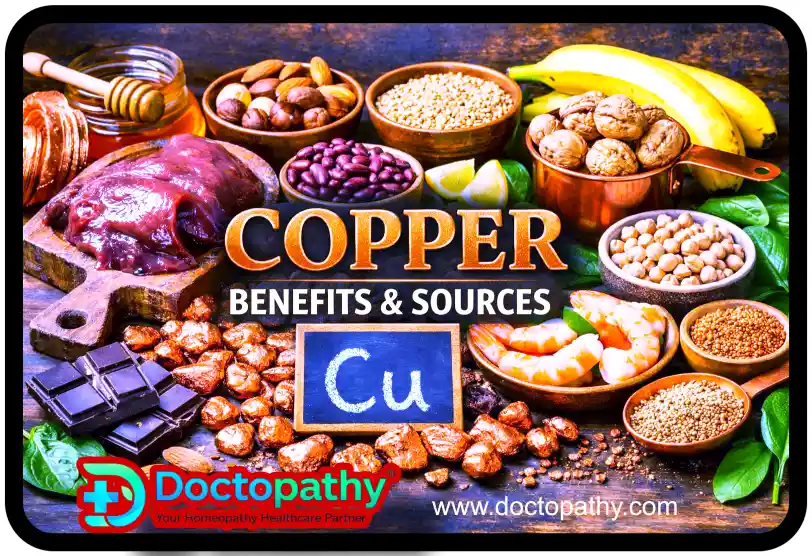
Best Food Sources of Copper
Natural food sources rich in copper include:
- Nuts (almonds, cashews, walnuts)
- Seeds
- Dried beans and legumes
- Dark chocolate
- Whole grains
- Wheat germ
- Liver and organ meats
- Poultry
- Shellfish
- Bananas
- Honey
- Yeast
- Fruits
Eating a balanced diet usually provides enough copper for the body.
Recommended Daily Intake of Copper
The recommended daily intake varies by age:
- Adults: 900 mcg per day
- Pregnant woman: 1,000 mcg per day
- Breastfeeding women: 1,300 mcg per day
Always consult a healthcare professional before taking copper supplements.
Who is at Risk of Copper Deficiency?
People at higher risk include:
- Individuals with malnutrition
- People with digestive disorders
- Premature infants
- People taking excessive zinc supplements
- Individuals with certain genetic conditions
Conclusion
Copper is a vital trace mineral that plays an important role in iron metabolism, nervous system health, cholesterol balance and immune function. Both deficiency and excess of copper can lead to serious health problems. Consuming a balanced diet rich in natural copper sources helps maintain optimal levels and supports overall health.